This week I saw the exhibit Andy Warhol — From A to B and Back Again at the San Francisco Museum of Modern Art. In that large museum the art works stretch out over three floors and many galleries and include not only Warhol’s famous pictures but also some of the films that he and his associates produced.

For me it was a reminder of my first glimpse of the Warhol world back in 1966. We were living in New Jersey then, near Rutgers University and tantalizingly close to the glamor of Manhattan just a few miles away. The university was a lifeline that gave suburban housewives like me a glimpse of that glamor. I remember the evening when a friend and I went to a Warhol event on campus (our husbands stayed home with our preschoolers) to watch some flickering films and see a new group called The Velvet Underground.
We arrived to find a crowd waiting at the door. A heavily made-up girl in a floppy brimmed felt hat was taking moving pictures of the audience as they entered. A long-haired, paunchy man followed her around while she aimed her camera to take close-up views of the people’s eyes, faces, lips. At one point she sat on someone’s lap to photograph a face.
When the audience had settled in, the films were shown. One was Vinyl, which featured the beautiful actress, Edie Sedgwick. Undergraduates hooted and made rude comments as she appeared on screen drinking glass after glass of wine and finally ended the film crouching over a toilet.
After the movie, the Velvet Underground went on stage. Some of the performers played, one sang, a couple danced at the side. The loudspeakers were turned so high that the music was deafening—our seats vibrated with the force of the sound. Behind the singers, the movie screen showed flickering pictures of the performer’s face, hair, lips, eyes…
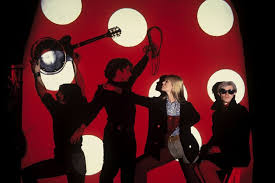
All this was new and eye-opening to us and to most of the audience in 1966. My friend and I went home with headaches from the noise, but satisfied that we had caught a glimpse of the future with Andy Warhol and his fabulous friends.
One advantage of living a long life is having a chance to discover how often what seems to be a foreshadowing of the future turns out to be a dud, while other startling changes affect our lives for years to come. Warhol’s influence has certainly not diminished. His paintings brought daily life into the realm of art. We started looking at everyday objects with new eyes. And his films and music have changed the way we have listened and looked at entertainment for more than half a century. Seeing his work now reminds us of how much he meant to all of us.
Museums sometimes seem out of the mainstream, preserving artifacts from places, cultures and times that may seem distant. But the moments they preserve are vital to understanding how the world changes. I for one am eternally grateful for museums and the people who work in them. They increase our knowledge and broaden our view of the world.
I recently read that some museum staff members in many cities are unionizing amid complaints that they do not get paid enough for their work. All of us who care about preserving our society and enriching our lives ought to support funding for museums and their workers. They make our lives better by showing us where we have been and how we got to where we are now.

 some days the sky in the morning has an ominous yellowy-greenish hue. City dwellers are sometimes thought to be immune to changes in the natural world, but nature has intruded on us this year and we have become preoccupied by it.
 San Francisco from the 1960s until the 1990s. During that time the population of the city did not change much—hovering in the 700,000 range—but the people and the mood of the city altered sharply. New groups arrived in the city and many descendants of earlier residents drifted away.
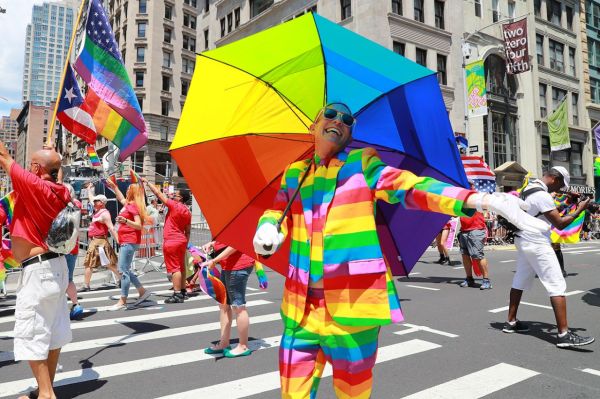 and resistance of many of the city’s more traditional residents. Today the city is a center of LGBTQ life. The Gay Pride parade became an emblem of the city and the movement it started spread across the country and around the world. The tragic crisis of the AIDS epidemic might have torn the city apart, but instead it seemed to bring the city together in working to heal the sick and find a cure.
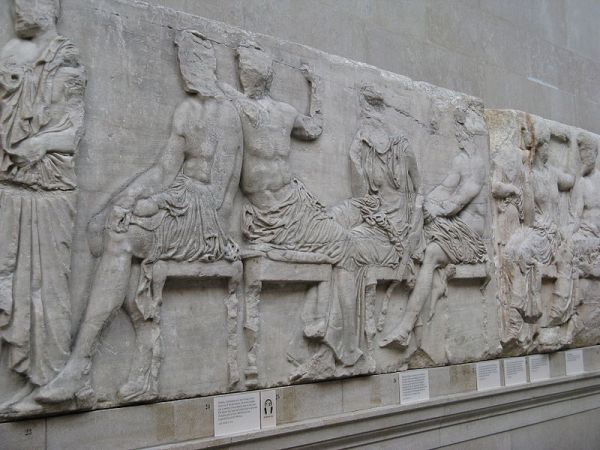
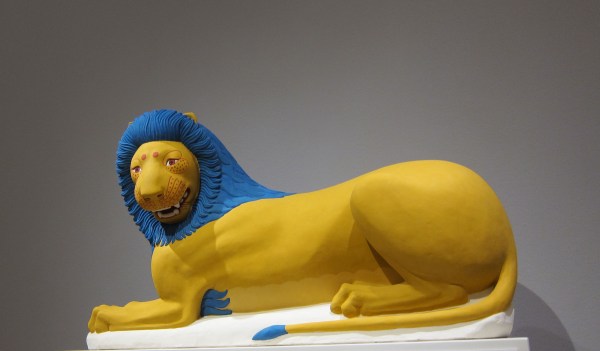 Visiting the exhibit of
 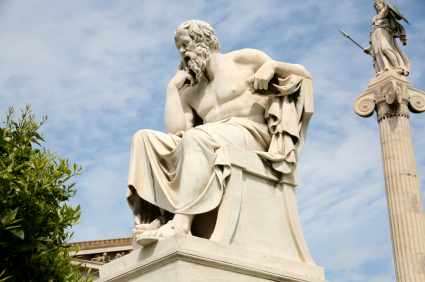 thought about ancient Greece. Is it possible to see the statue of Socrates as it is shown in this picture and not associate it with austere, intellectual philosophy? Would we think of Socrates in the same way if he were portrayed in an orange or red toga with a busy, bright pattern?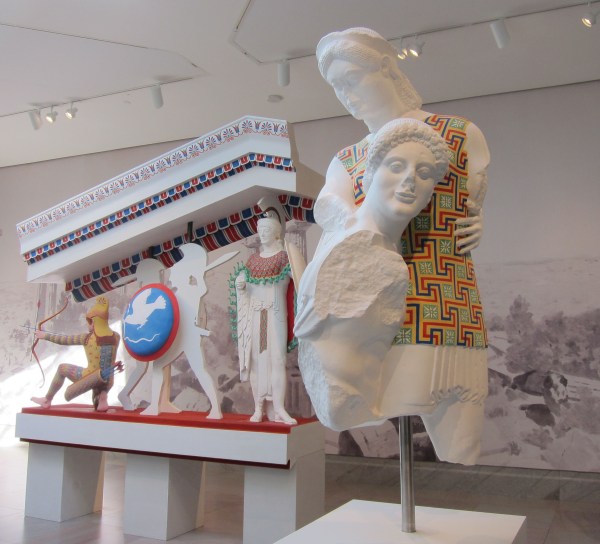
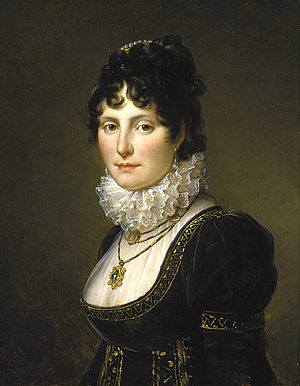
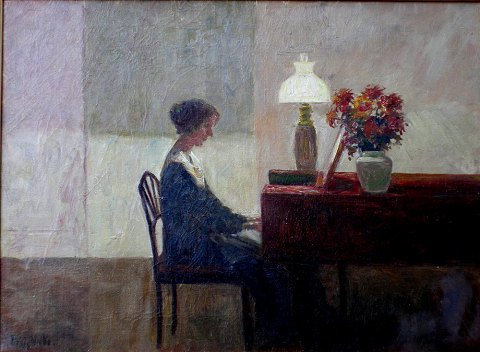
 piano lessons are not as common as they were a generation or two ago, many amateur musicians still enjoy playing when they have a chance.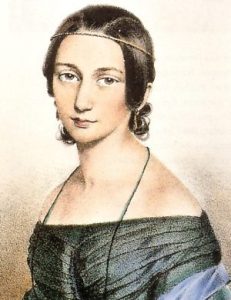


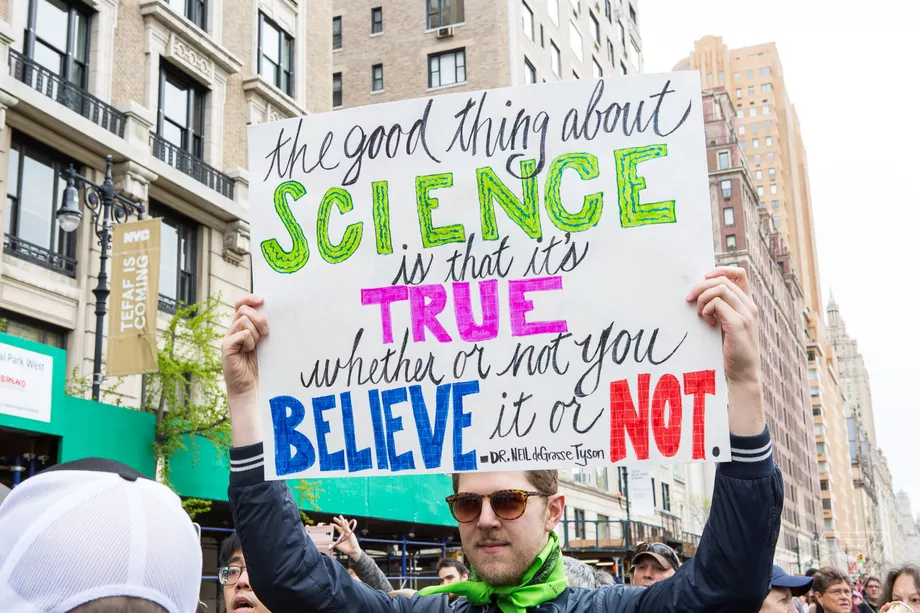
 The March for Science held yesterday in cities around the world demonstrated how many people support science, research, and the fact-based decisions. Many rallies and marches are emotional outbursts against injustice, but this one had a slightly different tone. People who marched care passionately about basing public policy on facts, not profits, not quick-fixes, but long-term solutions for our world. And judging by the enthusiastic support they received from the public and media, it seems that many Americans agree with them.

 On a day when the news is filled with stories about a hate crime in Kansas, an assassination by nerve gas in Malaysia, and the exclusion of our most reliable news sources from a presidential briefing, it is a relief to turn to the wonders of the natural world. Along with scores of other people I visited the Pacific Orchid Exhibition in San Francisco and was refreshed by the silent, wondrous beauty of flowers.
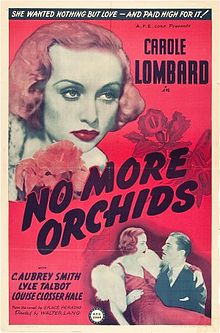 Wealth and orchids often went together in early films such as Carole Lombard’s hit No More Orchids in 1932. The perfect film title to link orchids and wealth was a 1927 silent film called Orchids and Ermine, which featured young attractive girls trying to find themselves rich husbands. The movie version of a sensational World War II book (said to be the most-read book among British troops during the war) No Orchids for Miss Blandish again offered orchids as a symbol of wealth and privilege.
 e Goodwin, go to an orchid show not unlike the one I visited. The flowers there were still as beautiful, the growers as dedicated, and the visitors just as enchanted as the ones I saw. The only thing not on display at the California show was a mysterious murder. Nero Wolfe’s love of orchids lives on and so do Stout’s books about him. They are well worth revisiting.
 The time shall come when wrong shall end,
 Teacups and Tyrants-Adele Fasick looks at people, books, and history