Working Women–marrying daughters

Watching a PBS presentation of the 1984 movie Amadeus a few days ago I was struck by the way Mozart’s future mother-in-law was presented. The woman was played for broad comedy as she interrupted a court musical event to push her
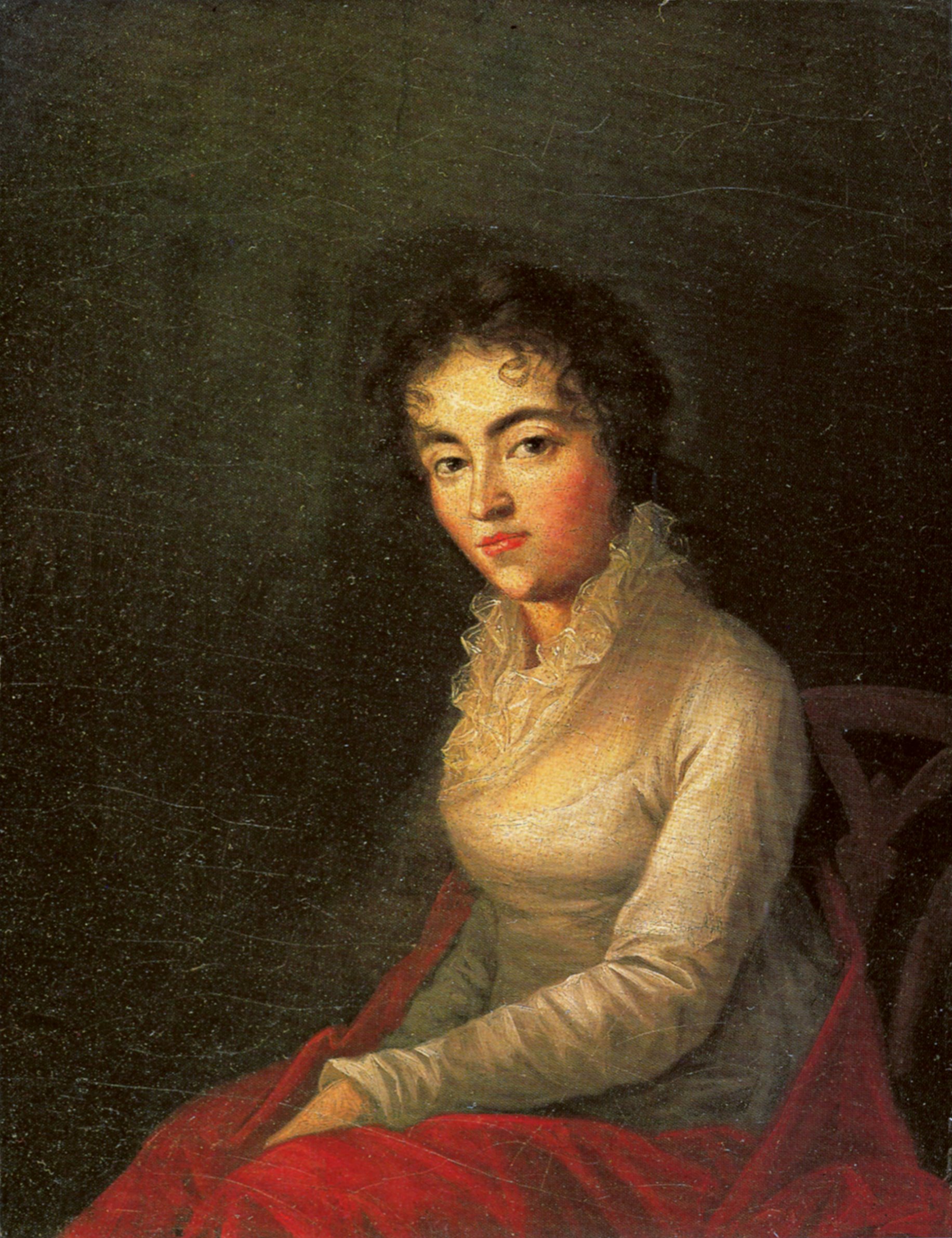
Costanze Mozart in 1782

daughter, Constanza, forward as Mozart’s fiancée. Mothers intent on getting their daughters safely married to the best available husband have been a staple of comedy for centuries. Think of Jane Austen’s scorn for Mrs. Bennet of Pride and Prejudice as she fussed over her daughters’ prospects with any gentleman in sight. But for mothers in these circumstances, marrying off their daughters was their primary professional obligation. We may think they were frivolous, but with opportunities so limited for women, a good marriage was the best gift a mother could give her daughters; marriage was almost always the only fortune that would keep them from the shame and poverty of spinsterhood. Perhaps we should have more respect for these hard-working women as they went about fulfilling their obligations.

If we look back a few centuries earlier, the importance of mothers in ensuring the future of their daughters was recognized and respected, at least among members of the aristocracy. One of my favorite heroines of the past is Mary of Guise, mother of Mary Queen of Scots. She worked hard not only to find a suitable marriage for her daughter but to make sure that she inherited the throne of Scotland and was safe from English imperialism. Yet while Mary Queen of Scots lives on in movies, plays, and novels, despite her spectacular failures in love and life, the elder Mary, her mother, is only a footnote to history. But it was Mary of Guise who had the brains and political skills to give her daughter a chance at keeping the Scottish throne.

Europe during the sixteenth century was not neatly divided into separate countries ruled by their own sovereigns.  England and France struggled for control over Scotland and Mary of Guise was born into the powerful French family of Guise. Left a widow at 21 after the death of her first husband, March had a choice between marrying Henry VIII of England or James II of Scotland. She chose James, perhaps because he had no history of beheading his wives, or possibly because she wanted
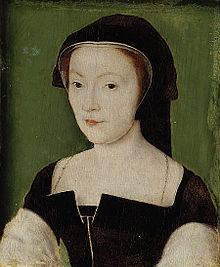
Mary of Guise
Mary of Guise

to preserve the French-Scottish alliance that kept Scotland Catholic. At any rate, that marriage resulted in the birth of a healthy daughter, Mary, who became Queen of Scotland when she was six days old. Her father, James II, died unexpected and left Mary of Guise a widow for the second time at the age of 27. From then on Mary’s life was spent on an effort to strengthen the ties between France and Scotland and preserve the kingdom for her daughter. She was a shrewd politician am maneuvered her way through the tangle of Scottish lords and French aristocrats who felt they had the right to decide the fate of the country.

Perhaps if she had lived longer, Mary of Guise could have done more to strengthen the Scottish-French ties she supported, but like many people of her century she died young—at the age of 45 in 1560—and her daughter, Mary Queen of Scots, in the end was put to death by the English Queen Elizabeth I. Scotland became a Protestant country and has closer ties with England than with France to this day. You can read more about this story in Mary of Guise a lively biography by Rosalind K. Marshall written as part of the “Scots’ Lives” series. It is not often found in American libraries, but it is worth searching for.

It’s not easy to view Constanza’s mother or Mrs. Bennet as inheritors of the same quest that Mary of Guise embraced, but in fact they were following her example. The easy laughs of modern audiences at the attempts of mothers to launch their daughters into matrimony ring hollow when we think about what serious work such efforts really represent.

Thanksgiving Thoughts 2014

Every year brings new challenges and new opportunities, although our poor planet doesn’t have much to be thankful for what with continuing drought and endless war. Still, I am thankful for NaNoWriMo—National Novel Writing Month—which

National Novel Writing Month--November
National Novel Writing Month–November

has given me the push I needed to write a first draft of the third book in my Charlotte Edgerton mystery series. I am still racing to meet the 50,000 word goal by the end of this month, so I am going to reprint the thoughts I first posted on my blog last year. Lydia Maria Child, although almost forgotten is one of the Americans we should all be thankful for.

Over the river, and through the wood,

to Grandfather’s house away!

We would not stop for doll or top,

for ’tis Thanksgiving Day.

Fifty or a hundred years ago almost every child in America would know that song because it was sung in classrooms all over the country. No matter that many American children lived in cities and had no experience of sleighs or woods or even Grandfather’s house, which might have been across the ocean instead of through the woods. Today the song would mean even less to children who may never have seen a real horse much less a spinning top—dolls we have with us still, although not like the ones our grandmothers had.

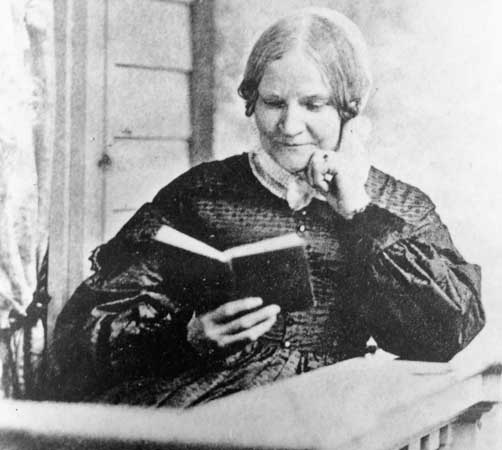
And so the song drifts off into history, but it is the only legacy left by a remarkable woman who would probably spin in her grave if she thought that of all the books she wrote, lectures she gave, and magazines she published, only this trifling set of verses is left. What has happened, she might wonder, to the explosive stories she wrote about intermarriage, abolition, and the rights of American Indians. Those were the works that led the Boston Athenaeum to revoke her free borrowing privileges. Lydia Maria Child was a firebrand despite the decorous cap and long, sedate dresses she wears in her portraits.

Born in 1802 in Massachusetts, she was a member of the first post-revolution generation. Her father Convers Francis was a prosperous baker and her older brother, also named Convers Francis, became a Unitarian minister and a professor at the Harvard Divinity School. It was her brother who encouraged her to try writing a novel and she completed Hobomok, with an American Indian as its hero. It was a popular success and started her on a lifetime writing career.

When she met the Harvard educated lawyer David Childs she was introduced to the abolitionist cause. They married and pursued lifelong careers as reformers and radicals. Unfortunately David was constantly in debt, made innumerable bad choices in business investments, and even spent time in prison for debt. Lydia (usually called Maria, which she preferred) had to be the stable breadwinner. She did this by starting a children’s magazine and by publishing books directed at housewives. Her hugely popular Frugal Housewife addressed the problems of middle-class women who struggled to maintain a house and feed a family.

But Maria Child was not content to linger over the problems of making soap and choosing fresh eggs, she was determined to help in the struggle to free slaves and women, two groups which she saw as being exploited by men who treated them as property. The book which angered many New Englanders was her An Appeal in Favor of That Class of Americans

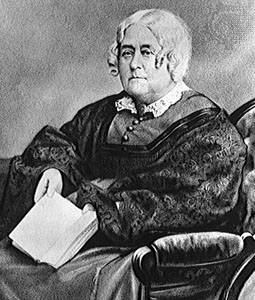
Lydia Maria Child
Lydia Maria Child

Called Africans. In it she advocated the abolition of slavery but rejected the notion of sending freed slaves back to Africa. Instead, she wanted to integrate them into American society and make them the equal of white citizens. She accused Northerners of being just as racist as Southerners, which infuriated many old friends and leading citizens of Massachusetts. She believed in education and in intermarriage. She wrote:

An unjust law exists in this Commonwealth, by which marriages between persons of different color is pronounced illegal. I am aware of the ridicule to which I may subject myself by alluding to this; but I have lived too long, and observed too much, to be disturbed by the world’s mockery. In the first place, the government ought not to be invested with power to control the affections, any more than the consciences of citizens. A man has at least as good a right to choose his wife, as he has to choose his religion.  

Her sentiments shocked even many of the abolitionists who wanted to abolish slavery, but hesitated over the question of total equality. Maria Child spent most of her life facing controversy. She believed that men and women should work together in the Anti-Slavery Society and precipitated a long-lasting feud in that group. For all her long life she argued for freedom and equality. On this Thanksgiving Day we ought to give thanks to her, not for producing a sweet little verse, but for persisting in the endless struggle to make Americans live up to their highest aspirations.

As far as I know, there is no easily accessible biography of Lydia Maria Child. The one that I read is a detailed scholarly biography by Carolyn Karcher, The First Woman in the Republic: A Cultural Biography of Lydia Maria Child (Duke University Press 1994). I highly recommend it, but not too many people will commit to 800 pages. Perhaps someday Professor Karcher will produce a shorter, more popular introduction to a woman who deserves more attention than she has received in our history books.

Gertrude Bell–Explorer and Architect of Nations

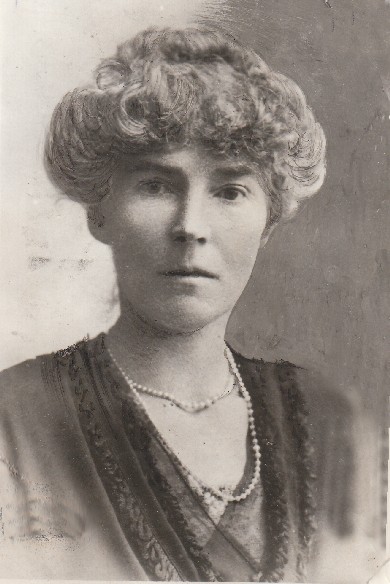
As news of the Middle East dominates so much of the news media, many of us turn away tired of hearing about the quarrels gertrude-bellthat never seem to be settled. How did we ever get so involved in places so far away from home? And why should we care about the deserts of Arabia?  Gertrude Bell has a lot to answer for.

You may wonder who Gertrude Bell is, but you probably know Lawrence of Arabia from the blockbuster movie with Peter O’Toole who imprinted his image firmly in Hollywood. Well, Gertrude Bell is about to get the same treatment. Werner Herzog is filming a movie about her called Queen of the Desert that will be released in 2015. Like T.E. Lawrence, Gertrude Bell was an explorer who was fascinated by the landscapes and people of Arabia or Mesopotamia as it was called. But Gertrude Bell spoke better Arabic than Lawrence and drew far better maps, so she is more responsible than he for the shaping of Iraq and some other countries of the region.

Gertrude Bell was born into a wealthy family in County Durham, England, in 1868. Her mother died when she was very young, but her father soon remarried and her stepmother, Florence Bell, was a strong influence on the girl. She even decided, eventually, that Gertrude was too restless and intelligent to be decorously educated at home as other girls were. She was sent to school and even attended a women’s college in Oxford where she was the first woman ever to receive a first in history. She was not, however, awarded a degree for that because women might study and excel in learning, but it was feared that an actual degree was a step too far.

Gertrude’s father supported her desire to travel and her interest in archeology and supplied a generous allowance that made it possible for her to travel the world. She fell in love with the Middle East and spent much of her life there, learning languages, studying ruins, and getting to know the rulers and their wives.

petra-monastery-ml-3In 1911, when Winston Churchill was First Lord of the Admiralty, the British Navy replaced coal fired ships with oil powered ones. Suddenly England became dependent on oil from the Middle East and the exotic countries where it was produced. Access to the oil was controlled by the Ottoman Empire which encompassed most of Mesopotamia and the Turks were allies of the Germans.

British intelligence was very interested in what was going on there and because Gertrude was recognized as an expert, she was summoned to Cairo to help map the area. Given the rank of Major—the first woman officer in the history of British intelligence—she caused consternation among other officers who couldn’t figure out how to treat her. But she managed and she played a vital role in establishing the governments that ruled the Middle East for decades after the war.

Iraq was the country that was closest to her heart. While she was there she oversaw the establishment of the great National Museum to house antiquities of the country. She also started the library which became the National Library of Iraq.

There have been many questions raised about the role Bell played in establishing borders for countries that no Westerner truly understood, but she foresaw many of the difficulties that would arise. Perhaps before any of us make judgments about Bell’ work we should read the biography written by Georgina Howell, Gertrude Bell: Queen of the Desert, Shaper of Nations. And of course, don’t miss the movie when it comes out next year.

Immigrants and their Gifts–Zoia Horn and Others

As a change from all the news stories we’ve been watching about the immigrant crisis on the border between Mexico and the U.S.,

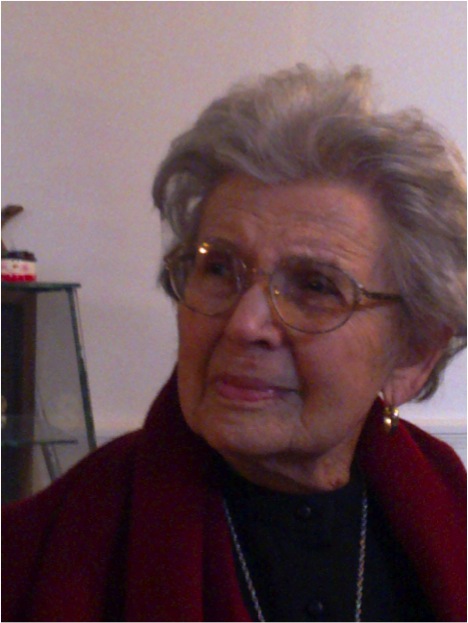
photo of Zoia Horn
Zoia Horn
perhaps it’s time to celebrate some of our immigrants. Not all of them entered the country willingly or even legally, but many of them have enriched our society.

This week some newspapers carried the story of the death of Zoia Horn who died at the age of 96 in Oakland, California. In the 1970s her actions started a movement that has revitalized the library profession. During the hectic anti-Vietnam War period, she refused to testify or give out information about the library borrowing records concerning an alleged plot by antiwar activists, including Daniel Berrigan. She was surprised and shocked to discover that the FBI had been tapping her phone to try to find out whether she knew about the plot. For her refusal to testify, Zoia Horn was imprisoned for a short time, but more importantly she made people aware of the danger of government intrusion into the privacy of communications between individuals.

Although the American Library Association did not support Zoia Horn’s refusal at first, the organization later honored her for her work in supporting intellectual freedom. Libraries have been in the forefront of institutions that defend the privacy of their clients and refuse to make borrowing records available to government agencies. Today we worry about large tech companies that are under pressure to share information with various governments. Libraries have shown the way in which institutions can protect citizens against unwarranted intrusion. They have led the way by erasing records of past library use as soon as they are no longer needed and by refusing to be bullied into removing useful materials that may be offensive to some members of the community. The stereotype of the mousey little librarian has been disproved over and over again by the steadfastness of library support of intellectual freedom over the years.

For the last thirty years Zoia Horn worked in the cause of intellectual freedom. She has been honored by the California Library Association which named its intellectual freedom medal after her. You can find the autobiography of Zoia Horn in the Open Library of the Internet Archive. It makes Autobiography of Zoia Hornlively reading for anyone interested in the history of the twentieth century. Horn tells the story of how she and her family left Russia and emigrated to Canada when she was eight years old. Their final destination was the United States and they found a friend willing to smuggle them across the border. Their entrance into the country was not quite according to immigration laws, but their lives enriched America. We should keep that in mind when we consider how immigrants at our borders should be treated as they try to find their path into this country. Many of them would surely become valuable citizens and make our lives better just as Zoia Horn did.

Margaret Sanger: A Flawed Heroine for Family Planning

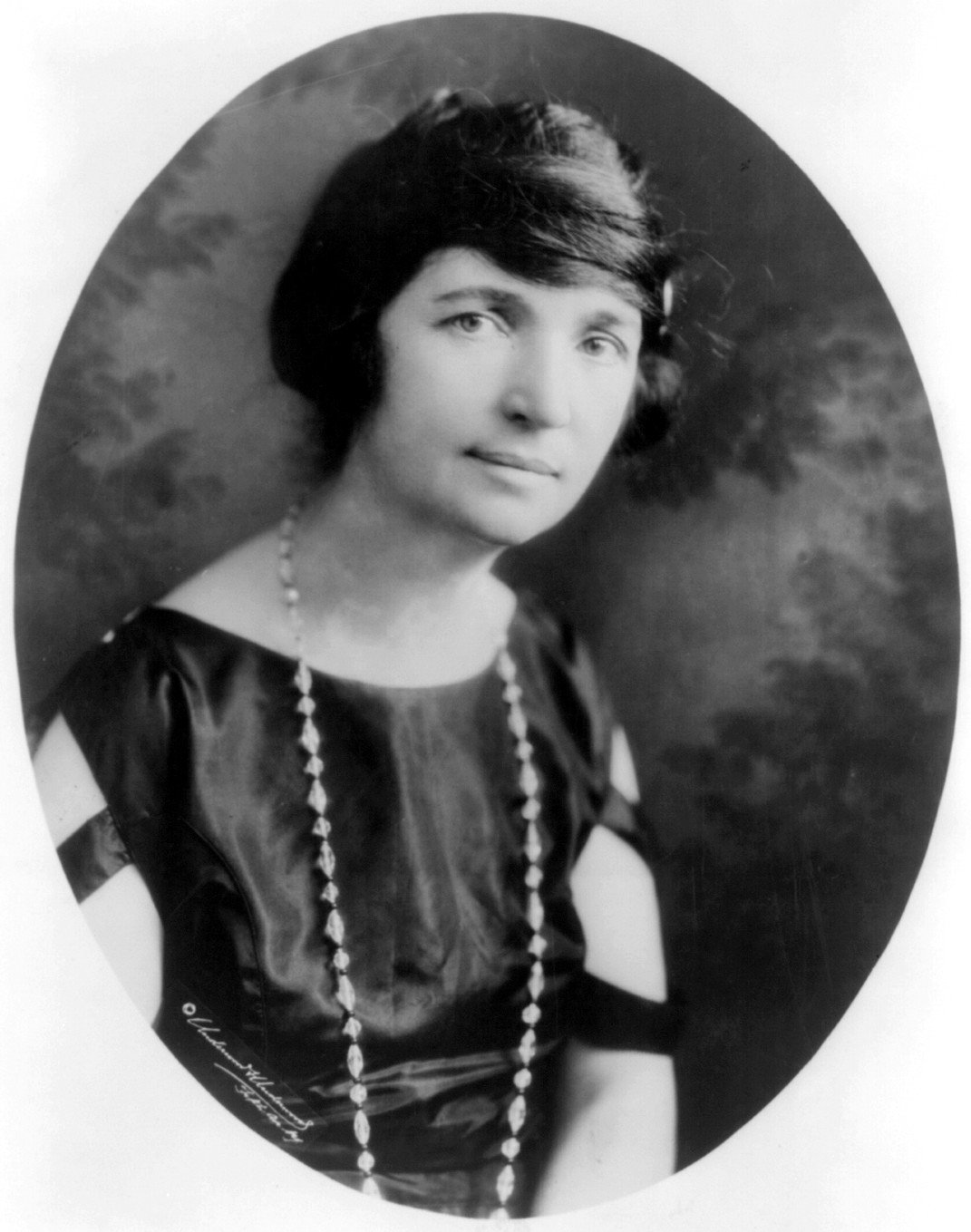
The Supreme Court’s decision in the Hobby Lobby case has started a lot of people thinking about how access to contraception Margaret Sanger has changed women’s lives. The Hobby Lobby decision allows some companies to refuse to pay for all forms of contraceptive care for their employees. If all of the owners of a “closely held corporation” declare that they do not approve of some forms of contraception on religious grounds, then they don’t have to pay for insurance coverage for contraception. The talk about this decision and how it may affect healthcare for all Americans has started a lot of people thinking about the struggle to get any form of contraception approved.

When Margaret Sanger (1879-1966) started working as a nurse in New York City, she saw a number of women who were suffering from their inability to keep from becoming pregnant over and over again. Doctors were not allowed to tell women how to avoid unwanted pregnancies; so many families were doomed to poverty and poor health because they could not afford large families. With contraceptives declared illegal and therefore unavailable to any except the wealthy, many poorer women resorted to abortionists or tried to abort a fetus themselves. When Margaret Sanger, who had seen her own mother die at 48 worn out by twelve pregnancies and weakened by tuberculosis, realized how many women were sacrificed because of their inability to control births, she determined to devote her life to changing the law.

By starting a newsletter, lecturing, and then opening the first birth control clinic in America, Sanger tried to introduce contraception to women. Both she and her sister were arrested at their Brooklyn clinic and charged with distributing obscene literature—information about birth control. Margaret Sanger served a short jail term for the crime, but she received a great deal of publicity and the issue was brought before the public.

It is hard today to remember how the lack of birth control affected women’s lives during the years when it was forbidden. Employers discriminated against married women, refusing to hire them because they might become pregnant at any time. Graduate schools refused to admit married women students with the excuse that their education was wasted because an unplanned pregnancy could derail a degree at any time.

Margaret Sanger fought for many years to make contraception available in the United States. It was a long struggle. By 1965 when the Supreme Court finally decided in the case of Griswold v. Connecticut that contraception should be available, Sanger was 85 years old. A year later she died.

Some of Margaret Sanger’s legacy was unfortunate. She believed in eugenics and favored larger families for well-educated, middle class families. The poor and especially nonwhite people, she believed, should strictly limit their family size. Many of the statements she made during her later years were repugnant, and they have been seized upon by conservative politicians to blacken her reputation. But the major battle she fought—to enable women to have some control over their bodies and the size of their families—was an important one. Much of the freedom enjoyed by women today has come about because of the struggle of Margaret Sanger and her associates.

Today, on the Fourth of July, when we celebrate the legacy of our Founding Fathers—a legacy deeply tarnished by the racism and prejudices of their ideas—is surely a good time to assert again that we can celebrate the achievements of many individuals despite their flaws and mistakes. None of our heroes or heroines were perfect, but we can accept the good that they did at the same time that we cast aside the bad.

The Supreme Court is much like our individual heroes. Some of their decisions have contributed decisively to Americans’ welfare and freedom; others have needed to be modified as time revealed their flaws. As for the Hobby Lobby decision, it seems quite likely that the best that can come from it may be the movement toward having single payer healthcare in the United States so that the health and happiness of Americans depend on themselves, through their elected government, and they are freed from the idiosyncratic and sometimes irrational beliefs of their employers.

Elizabeth Peabody–inspiring woman publisher

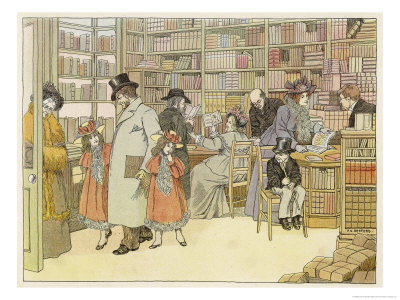
We have become so used to seeing local bookstores disappear from our neighborhoods that is is difficult to remember how important these stores used to be. From the early days shortly after the American Revolution up until the end of the twentieth century many

19th century bookstore. Picture by Francis Bedford
bookstores were meeting places and informal universities where people discussed politics and social issues as well as literature. And some of the most important bookstores have been run by women including Elizabeth Peabody.

We have no picture of Elizabeth Peabody as a young woman, although she was well-known in Boston. As her biographer, Megan Marshall, explains, Elizabeth’s portrait was painted in 1828 by Chester Harding, a well-known portrait artist in Boston. Elizabeth was 24 years old at the time and teaching at a school she had started for girls. Instead of being pleased by the portrait, her parents were scandalized. Women of that time did not have pictures of themselves hung on walls and displayed to others.portrait of Elizabeth Peabody Unlike men, women were supposed to live lives that were private and hidden from everyone except their families. Despite the prevailing customs, however, Elizabeth was destined to become a well-known and beloved figure in Boston and elsewhere during her long life. The portrait, incidentally, was destroyed years later in a warehouse fire so the only existing pictures show Elizabeth as an elderly woman.

Elizabeth was one of three Peabody sisters—the other two were Mary, who married Horace Mann, and Sophia, who became the wife of Nathanial Hawthorne. All three were born in the early 1800s and lived through most of that eventful century, but Elizabeth had the most lasting influence and left a legacy that is still with us.

But to return to the bookstore…in 1839 Elizabeth opened a small circulating library and bookstore in the family home. She knew Ralph Waldo Emerson and many of his friends who were interested in expanding the intellectual horizons for Americans. They were eager to learn about the new ideas being talked about in Europe and Elizabeth’s bookstore offered them a chance to read and discuss European journals and new books. Not only that, Elizabeth also opened a small publishing operation and published several articles and books written by members of the group including several of Nathanial Hawthorne’s early stories. She was probably the first woman publisher in the United States.

Elizabeth Peabody’s small bookstore in West Street was the place where the new Transcendental Club held meetings. Margaret Fuller offered her “Conversations” in the bookstore for the wives and friends of the Emerson circle. Elizabeth’s bookstore appears in my mystery story A Death in Utopia as a place where the Charlotte Edgerton and her friend Daniel Gallagher can follow up ideas for solving a mysterious death.

Running a bookstore and being a publisher were not Elizabeth Peabody’s only occupations. Later in life she opened the first kindergarten in America and her most lasting legacy remains the revolution in teaching young children which grew out of the kindergarten movement. Megan Marshall’s biography The Peabody Sisters; Three Women Who Ignited American Romanticism gives a good start on learning about Elizabeth and her accomplished sisters.

Creating the New Woman–Margaret Fuller

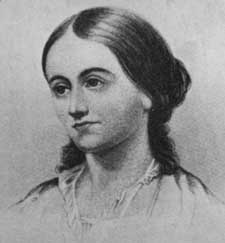
Margaret Fuller
Margaret Fuller
Brook Farm, the first secular Utopian community to be established in New England, attracted the attention of most of the intellectuals in the area when it opened in 1840. Margaret Fuller, already a well-known writer and lecturer was one of them. As a friend of Ralph Waldo Emerson, Bronson Alcott and others who supported the establishment of the community, she participated in discussions about whether a communal lifestyle would encourage people to write great books, paint beautiful pictures and develop an American culture. Many Americans wanted to develop a culture quite different from the European model. They did not believe that all art and culture should be created by aristocrats who did not need to work or earn money. The early 19th century was a time when many people were trying to discover how society could be structured to allow everyone to have a chance to become educated and creative even though they had to make a living.

Margaret Fuller toyed with the idea of joining Brook Farm as a member. Living in a community like that would free her from the necessity of supervising a household for herself and her mother. The reaction of Brook Farmers to Miss Fuller was mixed. Many of the young women considered her a model for what a brilliant woman could make of her life, but others (especially, perhaps, the young men) thought she was arrogant and talked too much. Some of them even called the most obstreperous cow in their barn the Margaret Fuller heifer.

In the end, Fuller decided she needed solitude to pursue her own work, but continued to visit often. She was determined to make her mark in the world, and she succeeded. She became one of the most influential literary figures in New England. Then she moved to New York to write for the New York Tribune. Later she traveled to Europe as a reporter and became a friend of men who were plotting revolutions in several countries.

Fuller’s book Women in the Nineteenth Century was considered revolutionary. She urged women to find their voices and express their own ideas. The book influenced women around the country and even though Margaret Fuller herself died at the age of 40, her work bore fruit in the early feminist movement. Elizabeth Cady Stanton and Susan B. Anthony were among the women who read her works and tried to follow her path.

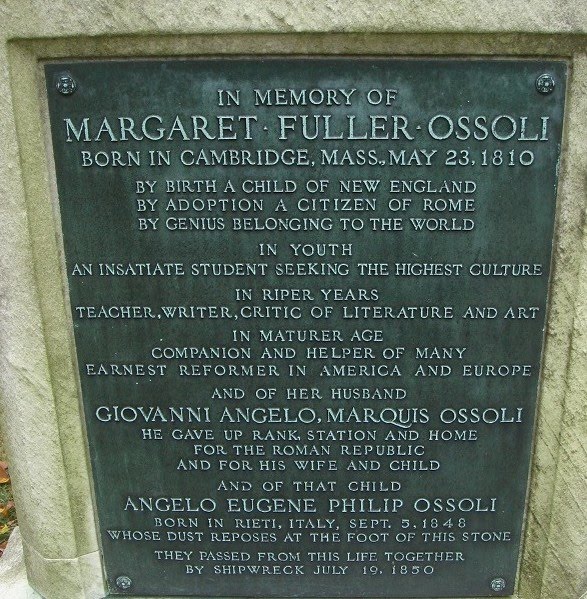
Memorial plaque for Margaret Fuller

There are several good biographies of Margaret Fuller. The short, general biography that I wrote called Margaret Fuller: an Uncommon Woman is available at amazon.com.

Christina Rossetti—the Consolations of Religion

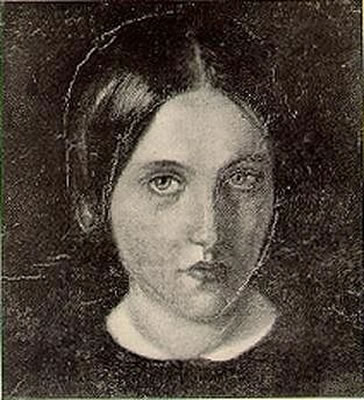
Christina Rossetti
Christina Rossetti
April is poetry month, so it is fitting to remember one of the most celebrated poets of the 19th century, Christina Rossetti. Poetry was her profession and she was a serious poet, but her life was also dedicated to her religion. Her religious convictions were strict and she gave up many of the normal joys of life to dedicate herself to them. In her poem “A Portrait” she might have been talking about herself:

She gave up beauty in her tender youth,
Gave all her hope and joy and pleasant ways;
She covered up her eyes lest they should gaze
On vanity, and chose the bitter truth.
Harsh towards herself, towards others full of ruth,
Servant of servants, little known to praise,
Long prayers and fasts trenched on her nights and days:
She schooled herself to sights and sounds uncouth,
That with the poor and stricken she might make
A home, until the least of all sufficed
Her wants; her own self learned she to forsake,
Counting all earthly gain but hurt and loss.
So with calm will she chose and bore the cross,
And hated all for love of Jesus Christ.

Neither her poetry nor her religious beliefs were the whole of her life, of course. Christina Rossetti was born in London in 1830 and grew up in a large artistic family. Her father was a poet and a political exile from Italy, and her brothers Dante and William were among the founders of the Pre-Raphaelite Brotherhood of artists who strongly influenced British painting and the artistic climate of England. Both her sister Maria and William also became writers.

The men in the family were not particularly religious, but Christina’s mother and sister became deeply devout members of the Church of England. When Christina was fourteen she suffered some kind of nervous breakdown, perhaps caused by the stress of having to transform herself from a lively child into a modest Victorian young lady. It was at this time that she turned to religion as a source of comfort and inspiration. As her brothers moved into manhood and went out into the world, Christina, like other women of her generation, led the limited life of middle-class English girls, socializing only with family and friends and seldom moving into a wider circle. All her life she suffered from recurring bouts of melancholy, although these episodes did not keep her from writing her poetry and publishing it.

As an attractive young woman, Christina was not without admirers. She became engaged to a friend of her brothers, James Collinson, but when he reverted to Catholicism, she decided their religious beliefs were too incompatible to allow her to marry him. Later she had a warm relationship with Charles Cayley, a friend of her brothers, who asked her to marry him. But he too was unacceptable because their religious beliefs were incompatible. Finally she appears to have rejected an offer of marriage from John Brett, another friend of her brothers, and a painter. Once again it appears that religion was the obstacle, although evidence is difficult to find. After that, Christina’s life was devoted to her poetry, her family and friends, and a few social causes including humane treatment for animals and the rescue of “fallen” women.

Even as her poetry became widely known, Christina led a quiet life. She continued to suffer from periods of melancholy and her health became poor as she grew older. When she was about 60, she was diagnosed with breast cancer. Even though the tumor was removed, the cancer recurred and she endured a long and painful illness. Her brother William and others tended her with loving care, but her last months were filled with depression and pain. A neighbor reported hearing her shrieking and crying hysterically, whether from pain or despair it is impossible to know.

Was she perhaps regretting how many chances for happiness she had given up in her pursuit of devotion? Did it sometimes seem that the God she had served for so many years had turned against her? We will never know what thoughts went through Christina Rossetti’s mind as she died in 1894, although you can learn more about her entire life by reading a biography such as Christina Rossetti: A Writer’s Life by Jan Marsh, which gives a thorough account of her achievements as well as her sorrows.

I like to remember Christina Rossetti as the author of one of the loveliest expressions of exuberant joy I have ever read. This poem tells me that she had some moments of happiness and knew the feeling of joy:

My heart is like a singing bird
Whose nest is in a water’d shoot;
My heart is like an apple-tree
Whose boughs are bent with thick-set fruit;
My heart is like a rainbow shell
That paddles in a halcyon sea;
My heart is gladder than all these,
Because my love is come to me.

Amelia Earhart—Inspiring Queen of Aviation

The search for Malaysia Airlines Flight 370, which has stretched out over the past three weeks, has reawakened memories of the famous

Amelia Earhart's airplane
Amelia Earhart’s airplane
lost flight of Amelia Earhart a pioneer of women in aviation. Although Earhart’s plane disappeared in 1937, people are still speculating about what happened, whether the plane really did crash into the ocean, and what became of Amelia.

It is easy to forget that when airplanes were first produced, people weren’t quite sure what to do with them. They were viewed by many as a sort of toy for adventurous young men—the type who nowadays go in for extreme sports like bungee jumping or whitewater kayaking. World War I proved the value of airplanes as weapons of war, but piloting remained a dangerous activity and one strongly dominated by men. Ten years after the war, in 1928, Amelia Earhart made headlines by being the first woman to fly across the Atlantic, even though she traveled as a passenger rather than a pilot. When she returned to New York with the pilot of the plane, they were given a ticker tape parade to celebrate the event. But women definitely needed to do more than just be passengers to prove they belonged in a cockpit and Amelia was determined to prove just that.

By that time she did have a pilot’s license. In 1923 she had become the 16th woman to be issued a pilot’s license by the international aviation federation. Still there were not many opportunities to fly except in exhibitions; Amelia earned money by being a sales representative for Kinner aircraft and by writing an aviation column for a local newspaper. Luckily, George Putnam a publisher and publicist had been one of the people who had made arrangements for Amelia’s transatlantic flight. The two of them soon teamed up to help promote aviation and especially women’s place in the world of flight. In 1931, they became more than business parties when they married. For the rest of her life Amelia and her husband worked together to promote aviation.

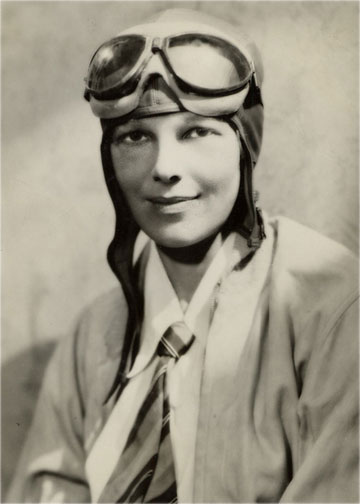
In 1932, Amelia became the first woman to fly solo across the Atlantic and that flight earned her a Congressional Distinguished Flying Cross. Between 1930 and 1935 Amelia set more records for altitude and length of flight. Just as she had hoped, she was demonstrating that a woman could be just as good a pilot as a man and more than that she was helping the public become accustomed to flying as a normal

Amelia Earhart in flying gear.
activity not just a daredevil sport.

The next challenge Amelia Earhart decided to take was to fly around the world; in 1937 she made plans for this flight. It would not be the first time pilots had flown around the world, but it would be the longest trip because it would circle the equator rather than take a polar route. The flight started in Miami and travelled west. Amelia and her navigator stopped numerous times along the way to refuel, but their final stop was in Lea, New Guinea. After the plane took off from there, it was never seen again. You can read accounts of the final radio transmissions from the plane and the long search by air and sea for the plane in numerous sources online and in print. The mystery of Earhart’s disappearance was a major drama of the 1930s and caught the attention of people around the world, attention that still continues.

Many theories and legends have grown up around Amelia Earhart’s disappearance. The most credible theories seem to be that the plane either crashed into the ocean and sank or that it landed on Gardner Island, a small atoll in the Pacific. With no means of surviving on the small island, the fliers would have died and the plane eventually disintegrated. Other legends are more colorful and are still considered possible by a few people. Earhart had many prominent friends, Eleanor Roosevelt among them, and one theory is Franklin Roosevelt asked her to spy on the Japanese. Some writers have even suggested that Earhart survived the flight and returned to the United States where she lived under a different name.

There is a wealth of books and other materials about Amelia Earhart’s life and flights. Many of the books about her have been written for young people, especially young girls. Perhaps Earhart’s most important legacy has been serving as an inspiration to generations of girls growing up in America and around the world. For almost 100 years her skill and daring have helped girls to decide they too can become pilots or doctors or astronauts. Despite the tragedy of her early death, her spirit lives on.

Constance Wilde–victim of her century

The recent mini-battle in Arizona about whether same-sex couples should receive the same kind of services that other couples get, has called attention to recent the dramatic changes in the way a majority of Americans view gays and lesbians. While celebrating the change in attitudes that have resulted in more respect being given to different groups, it is sad to look back on some of the tragedies caused in the past by harsh anti-homosexual laws.

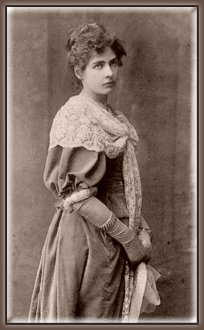
Constance Lloyd Wilde was a woman whose life was shattered by the trial and imprisonment of her husband, Oscar Wilde, on charges of gross indecency. Born in London in 1859, Constance Lloyd grew up in the Victorian era when marriage was considered sacred, but adultery was

portrait of Constance Wilde
Constance Lloyd Wilde
common. Among many middle-and-upper class British couples, men were routinely pardoned for engaging in extra-marital sex, and while the rules were stricter for women, many of them could have affairs as long as they were discreet. Constance grew up under the supervision of parents who would be considered neglectful today, but were following the usual pattern of paying little attention to their children and bestowing little affection on them.

Despite this unpromising start, Constance received a good education and grew up to be a spirited, intelligent and very attractive woman. She was determined to make something of her life so she did not rush into marriage, but mingled with the artistic set which included painters, designers and writers. She became interested in Aestheticism and began to design her own dresses using the new Liberty fabrics, which reflected the tastes of modern young people. Oscar Wilde a young Irish poet and critic who had left Oxford and moved to London was a leading member of this group and it was not long until the two met.

Oscar Wilde soon became a prominent figure in London society. He earned his living by writing and lecturing on cultural life. In 1878 he traveled to America on a lecture tour during which he was both lionized and made fun of by the press and public. Whatever he did his fame continued to grow. After he returned to London, he continued to see Constance Lloyd and in 1884 they were married. Oscar was 30 years old at the time and Constance was 25; they were both well-educated intellectuals, but in terms of understanding their own desires and sexuality they probably knew less than the average college student today.

The early years of their marriage were happy. They had two sons, Cyril and Vyvyan, and became a much-noticed couple in the London social scene. Their house was a showplace of Aesthetic interior design and Constance’s avant-garde clothes were noticed and discussed by many friends, acquaintances and even the press. Constance brought an income of 250 pound a year to the marriage, which would have been adequate for most middle-class families, but the Wildes had expensive tastes and expensive habits.

As the years went by Oscar Wilde’s life became more chaotic. His plays were hugely successful, but his lifestyle was difficult to maintain. He enjoyed the company of young men and began spending more and more of his time away from home. Whether Constance realized that these ardent friendships were replacing her in Oscar’s affections is difficult to know. Looking back from the 21st century, it is easy to think that she must have known he was homosexual, but so many of the realities of sexual life were hidden from women in those days that we cannot be sure about how much of her husband’s life she understood. She carried on her life, taking care of her boys, maintaining a social presence, and even writing a well-received children’s book called There Was Once. She and Oscar remained close, but their way of life was becoming too fragile to maintain.

Almost everyone has heard the story of the downfall of Oscar Wilde. He developed a long-lasting crush on a young man, Lord Alfred Douglas (Bosie), whose father was the Marquis of Queensberry. When the Marquis began hounding Wilde with the threat of bringing charges against him, Wilde foolishly sued the Marquis for libel. He lost the suit and was charged, convicted, and eventually imprisoned for gross indecency. England was the only country in Europe at that time that had a law against homosexuality, but Wilde unfortunately refused to leave the country to escape the charges.

Almost overnight not only Oscar’s life, but the life of his whole family changed dramatically. Many old friends stopped speaking to Constance and the English schools to which she hoped to send the boys refused to accept them. She moved to the continent, changed both her name and her sons’ names to Holland, and enrolled the boys in German schools. Through it all she was not completely estranged from Oscar but continued to hope for reconciliation. Time ran out on that hope because Constance died in Genoa in 1898 at the age of 37 without ever seeing Oscar again. Oscar died two years later without having seen his sons again.

You can follow the whole story in Franny Moyle’s recent biography Constance: The Tragic and Scandalous Life of Mrs. Oscar Wilde.

The tragedy of the lives of the Wilde family is that so much of the suffering was unnecessary. Certainly their marriage was under a great deal of strain as Oscar came to terms with his nature, but if they had been living in 2014 instead of the 1895, they might have been able to work out the issues privately. The public outcry and the exile of Constance and the boys were pointless. The disruption of the lives of these innocent people helped no one. It has taken a hundred years for society to understand this and to accept the right of gays and lesbians to live their lives in peace and security for themselves and their families. Things aren’t perfect today, but at least this is one area in which real progress has been made.