As hurricane Irma inches its way to Florida, it’s hard to stop looking at TV pictures of the trail of broken buildings, flooded landscapes and unhappy, bewildered people it has left 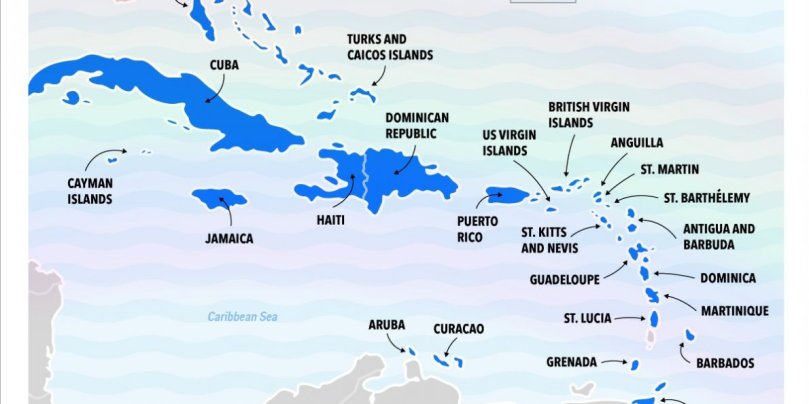 behind. For several long days now the storm has been punishing the small island that dot the Atlantic between Florida and South America, islands that most Americans know almost nothing about. Still suffering the effects of centuries of colonial rule by European governments, most of those islands will find it much harder to rebuild homes and lives after the hurricane has passed than Florida and other Southern states will.
In honor of the inhabitants of some of those Caribbean Islands, I am repeating a blog post that I wrote several years ago in honor of one of the heroines of the Islands.
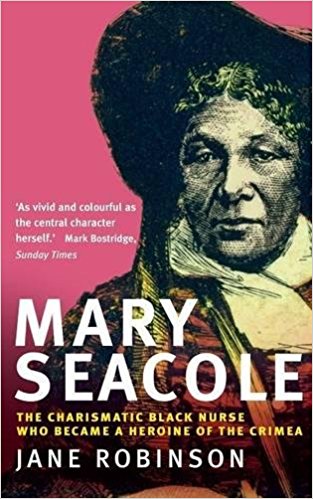 Mary Seacole was born in Jamaica in 1805 in the prosperous and attractive city of Kingston, the base of British operations in the West Indies. White British upper-class people controlled the island, while most Jamaicans of African descent were slaves. Mary’s mother was apparently of mixed-blood and was free, as were many children whose fathers were white. Mary herself writes in her autobiography “I am a Creole, and have good Scotch blood coursing in my veins. My father was a soldier, of an old Scotch family;”
Mary’s mother was a boarding house keeper and a healer. That may seem an odd combination to us today, but it made sense because British officers and officials, who often found it difficult to cope with Jamaica’s climate and tropical diseases, could use both services. Mary learned traditional healing methods, using plants and other common substances. While she was a teenager, Mary spent a year in London, which she apparently enjoyed despite the presence of “street-boys to poke fun at me and my companion’s complexion.” Travel was her favorite occupation and she managed to return to London as a merchant selling West Indian preserves and pickles. For most of the rest of her life, Mary Seacole combined business and healing as her twin sources of income.
After an adventurous few years in Jamaica and Panama and a short marriage to a rather frail man who died while still young, Mary was established as a prosperous “doctoress” and merchant. She visited the United States, but found the prejudice against people of color too extreme for her. She preferred England where she was accepted more neutrally, even if sometimes slighted and patronized, but for the most part she remained in the West Indies and Central America where her color was not an issue.
When the Crimean War started in 1854, Mary determined that she would go to the war zone to help the troops. She heard of Florence Nightingale’s plan to take a group of nurses there and applied to be one of them, but was not accepted. Never one to give up a good idea, she raised enough money herself to pay for the expenses of the trip and set out. She found facilities in the camps and hospitals deplorable, just as Florence
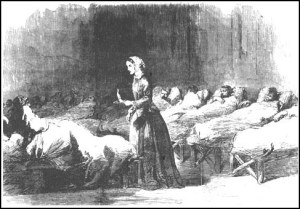
Nightingale did. Florence worked with the Army and the government using the rules and regulations to get her way. It was a long, difficult road, but one that Florence, well-disciplined and familiar with upper-class life, was prepared to take. Mary chose a different route. Scornful of protocol, she opened a facility called the British Hotel where she offered food as well as giving medical treatment to soldiers. Because she had no access to government money or very much in the way of charitable giving, she charged for services, but she devoted everything she could to serving the troops.
Florence Nightingale was rather scornful of Mary Seacole and probably distressed by her flamboyant dress and habits. Nonetheless Mary became a heroine to the troops and a friend of many people in high places, including relatives of Queen Victoria. When the war was over she returned to England to high praise and much publicity. She received a commendation from the queen and when she published her autobiography, Wonderful Adventures of Mrs. Seacole in Many Lands, it sold well. The book is still worth reading and is available in several editions, including a free ebook version, on Amazon.com. There is also a fascinating biography Mary Seacole: The Charismatic Black Nurse Who Became a Heroine of the Crimea by Jane Robinson. It is not easy to find in the U.S., but well worth searching for. And perhaps when we send aid to help the victims of natural disasters, we should remember our neighbors to the South whose small islands and brave people are so often forgotten.
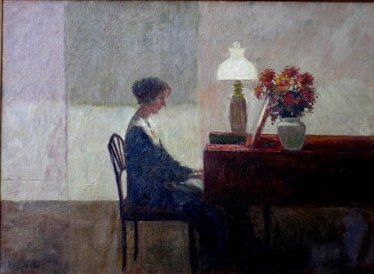
 piano lessons are not as common as they were a generation or two ago, many amateur musicians still enjoy playing when they have a chance.
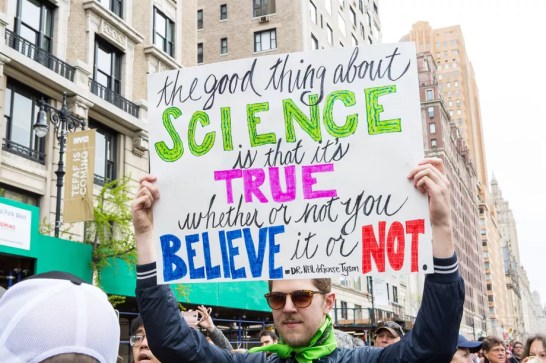
 The March for Science held yesterday in cities around the world demonstrated how many people support science, research, and the fact-based decisions. Many rallies and marches are emotional outbursts against injustice, but this one had a slightly different tone. People who marched care passionately about basing public policy on facts, not profits, not quick-fixes, but long-term solutions for our world. And judging by the enthusiastic support they received from the public and media, it seems that many Americans agree with them.
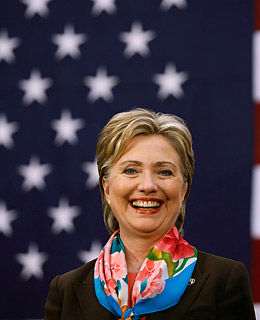 was once more sent back to spend more years working for the public good but not enjoying the glory of our highest office. Instead, a minority of voters (although a majority of the electoral college) chose a candidate who bluffed his way to the top with insults and braggadocio like a high school bully. This has been a sad election for the forces of hope and of rationality.
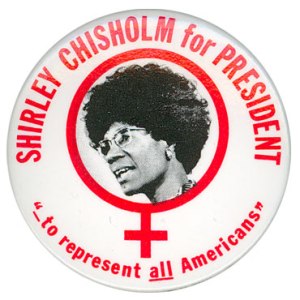 funds for child care facilities, and she opposed the Vietnam War saying “Unless we start to fight and defeat the enemies in our own country, poverty and racism, and make our talk of equality and opportunity ring true, we are exposed in the eyes of the world as hypocrites when we talk about making people free.” (Unbossed and Unbought, p. 97)
 about forty other women and a handful of men struggling with the joys and mysteries of writing mysteries. This was a conference of the Sisters in Crime group which offers fellowship and encouragement for those of us who follow the footsteps of Agatha Christie, Dorothy Sayers and the other fearless women who invaded the publishing world during the last century.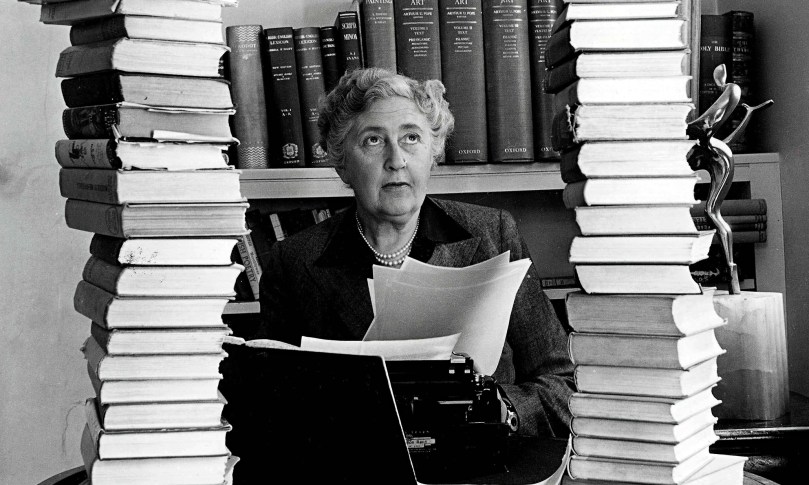
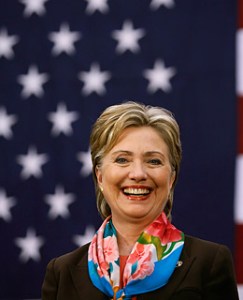
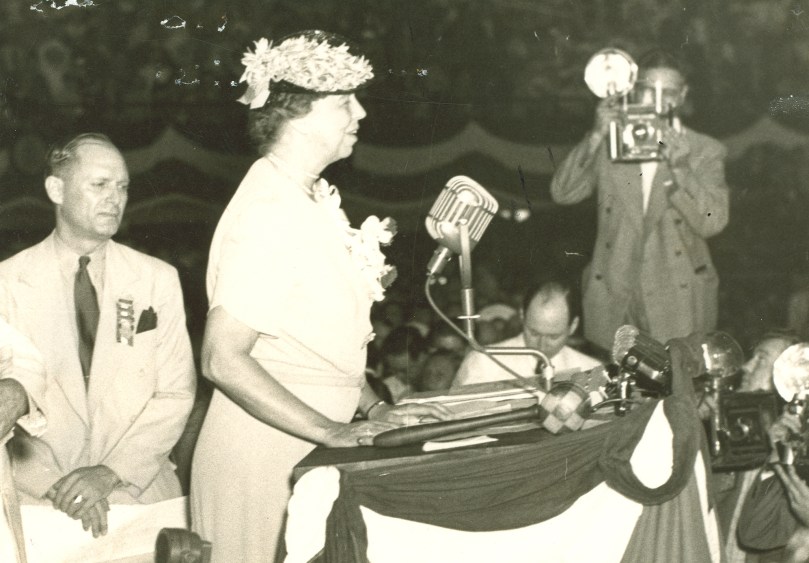

 country, can be a major financial headache. American corporations with local outlets often contribute to the costs. These receptions usually feature large cakes baked in the shape of an American flag and flags decorate the walls of reception rooms and flutter from flagstaffs on the building.
 expats were undaunted and decided to make their own flag. She reported: “they hurried to buy their silk—red, white and blue, and inquired of recent arrivals how many States there are this Winter in the Union, in order to make the proper number of stars” Unfortunately, just as the Americans had managed to produce a suitable flag, an ordinance was passed forbidding the display of any flag except the Roman ensign.
 was a brilliant and influential woman. She changed the way Americans view the world. As a journalist and activist, she demanded both votes and jobs for women.
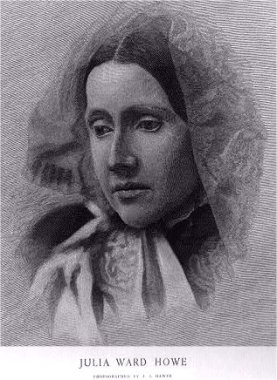 unyielding pattern of what used to be considered “normal” family life. And it has made me think of the ways in which women, who did not find happiness in the stereotypical marriages of the nineteenth and twentieth centuries, have tried to write and express their feelings.
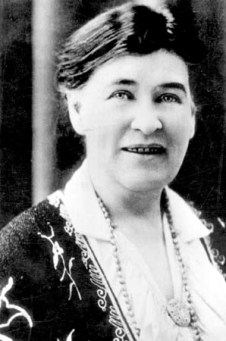
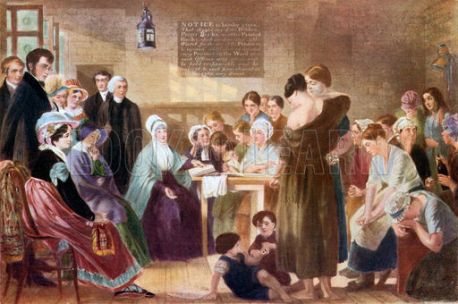
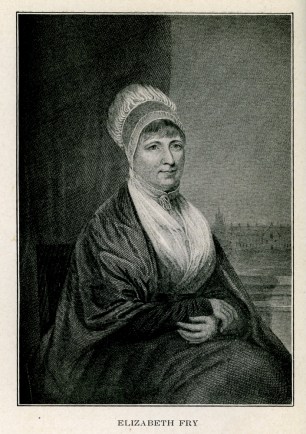 instead of spending much of his life in prison,. Not many prisoners are as lucky. We now know that spending time in solitary leads to mental and psychological consequences that often last for a lifetime. But deciding what kind of punishment is appropriate for men and women who have committed crimes is a problem that has not yet been solved.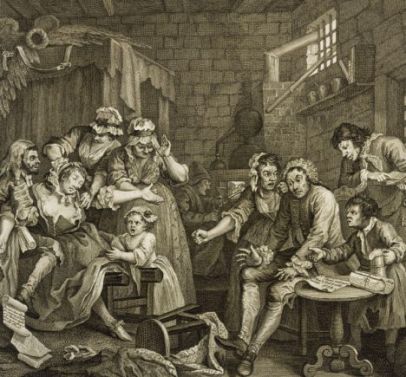
 Teacups and Tyrants-Adele Fasick looks at people, books, and history