Last Monday we celebrated Labor Day, but the day did not offer much reason for working people to celebrate. The president struck a blow at the spirit of the day by cancelling scheduled salary increases for federal workers, citing a need to save money. It seems that the tax breaks for executives and corporations have to be paid for by workers lower in the hierarchy.
Still, there are bright spots on the horizon. This week we have also had a chance to see a

number of women who are working hard to protect all Americans. Even though women were the last major group of citizens to be given the right to vote in the United States, they have finally come into their own as powerful voices for all of us.
The week started with the presentation of the documentary film, The Notorious RBG, a tribute to Supreme Court Justice Ruth Bader Ginsburg, who has devoted much of her career to persuading her fellow judges of the importance of women’s rights. When Justice Ginsburg completed law school and looked for positions, she found that women were consistently discriminated against in employment. She was turned down for a clerkship on the Supreme Court because, she was told, women just were not appointed to such positions. When she was hired to teach at Rutgers law school, she was frankly told that she would be paid less than a man would be because women did not have families to support.
Over the years, Justice Ginsburg has worked patiently, supporting small changes such as using “gender” instead of “sex” when talking about discrimination. It’s a small change, but it has moved discussion away from the emotion-laden word “sex” to a more neutral term.
Gradually Justice Ginsburg and others have gained acceptance for the idea that women and men should be paid equally for equal work and hired for their skills rather than

their gender. And women must be allowed to speak out on issues of importance. Having a voice and speaking out is an important part of being a citizen.
If you ever want a quick refresher in the history of how women have been silenced over the years, you should read Mary Beard’s short book called Women; a Manifesto. Beard, a well- known classical scholar, tells how women’s voices have been silenced over the centuries. Perhaps it started with Telemachus, the

young son of Odysseus, when he rebukes his mother for expressing an opinion: “go back up into your quarters” he said. “Speech will be the business of men, all men, and of me most of all; for mine is the power in this household.”
But women are no longer willing to be silenced. It has taken hundreds of years to develop their voices, but at last we are seeing it happen. More women are running for elective positions in 2018 than have ever run before. And this week we were able to see some of the results.
At the Senate Judicial Committee hearings for Supreme Court nominee Brett Kavanaugh, some of the most memorable questions came from Senators Dianne Feinstein and Kamela Harris. Whatever the outcome of the appointment may be, thousands of people across the country have had the satisfaction of seeing troublesome questions raised—questions about a woman’s right to choose, about limitations on presidential powers, and about the future of health care in America. Women spoke and attention was paid.
Now it is up to all of us to keep on speaking up—with our votes, with our actions, and with our voices. Democracy is not a spectator sport.

 some days the sky in the morning has an ominous yellowy-greenish hue. City dwellers are sometimes thought to be immune to changes in the natural world, but nature has intruded on us this year and we have become preoccupied by it.
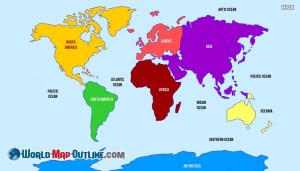 chose. One by one the viewers failed the test. A few identified Africa as a country, but couldn’t find any country on the continent. At last a boy, who looked as though he might have been in fifth or sixth grade, was asked and he swiftly identified the U.S., Mexico, and a string of countries in South America.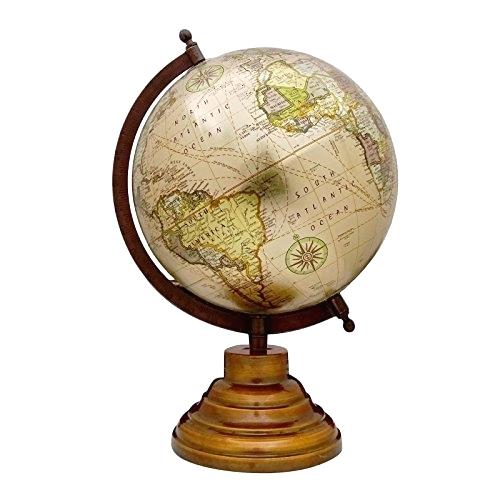
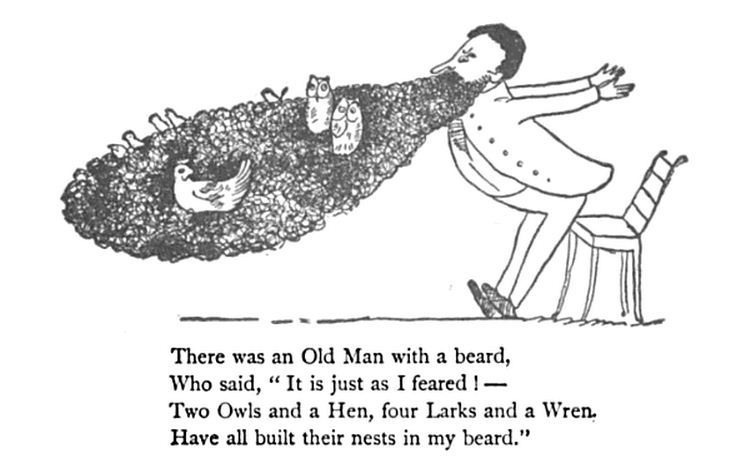


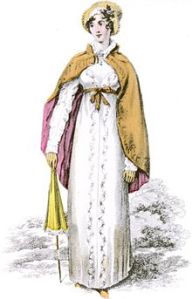 a foreign country” as L.P. Hartley wrote, but few people take the time to understand how different it was. We assume that the people who lived years ago and wore funny clothes were in fact thinking and feeling just as we do. But when we read the books and letters they wrote, we are constantly being reminded that the past is far different from what we consider normal today. Even the small things like being able to contact friends and family at a moment’s notice is something that seems natural today. How did people get along without it?
 San Francisco from the 1960s until the 1990s. During that time the population of the city did not change much—hovering in the 700,000 range—but the people and the mood of the city altered sharply. New groups arrived in the city and many descendants of earlier residents drifted away.
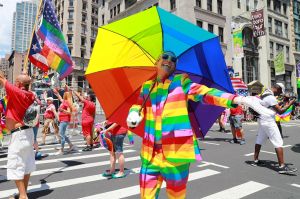 and resistance of many of the city’s more traditional residents. Today the city is a center of LGBTQ life. The Gay Pride parade became an emblem of the city and the movement it started spread across the country and around the world. The tragic crisis of the AIDS epidemic might have torn the city apart, but instead it seemed to bring the city together in working to heal the sick and find a cure.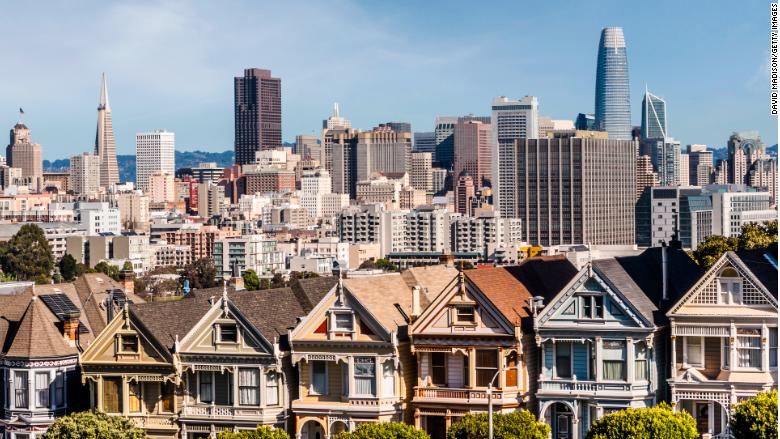
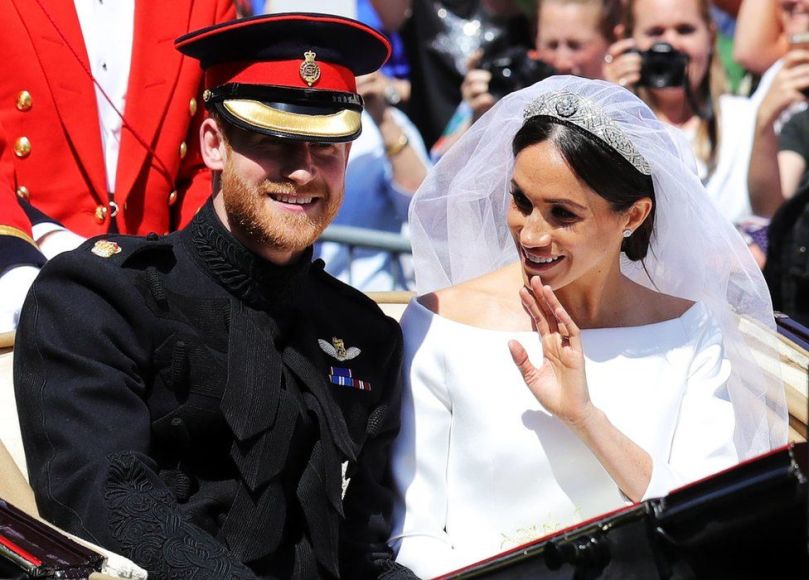 American actress. Even though Harry is 6th in line for the throne and very unlikely ever to become king, the wedding was treated as a major milestone in British history. The fact that Ms. Markle is a divorced biracial woman and an American makes her different from most people who have married royals, but the habit of marrying foreigners has a long history.

 Court Justice who popularized the idea of fitness for all ages. It has been a long, slow journey to the acceptance of the idea that women should keep themselves strong and able to meet the challenges of their lives. And many of the ideas that brought this change were introduced by those rigid Victorians, both men and women, who had seen the indignities of living with corsets, tight shoes, and bodies smothered by long, heavy skirts. But it was not an easy fight.
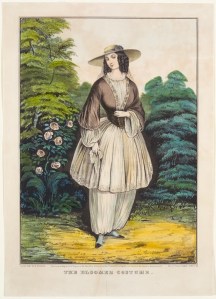 from the necessity of restricting their activities. With their new freedom they could walk along the filthy streets of big cities or the mud and dust of country roads without carrying along bugs and trash clinging to their skirts. They could even ride the new-fangled bicycles and move faster and more easily than they ever had before.
 Teacups and Tyrants-Adele Fasick looks at people, books, and history