At the Glasgow Climate Conference this past week, world leaders signed an agreement to cut back on the use of coal and other fossil fuels. Mining, manufacturing and even farming have been revolutionized over the past fifty years and more mines and factories will close as a result of these international agreements. Jobs that used to be central to every modern economy are disappearing. We know that jobs must change, the question is, how can we help people to change so that they can find security in the new economy.
Few people have been able to observe the effects of changing economies on the lives of everyday people as closely as Fiona Hill, the author of There Is Nothing for You Here: Finding Opportunity in the Twenty-First Century.

Hill was born in 1965 and grew up in County Durham in Northern England in a community that had been devastated by the closure of coal mines during the decades following the second World War. Although Hill’s family had been miners for generations, both her father and mother were hospital workers during most of the years when they were raising their children. The title of Hill’s book, There Is Nothing for You Here, comes from the advice given to Fiona and her sister as their parents realized that education was the key to moving ahead in the modern world.
During the 1980s when Hill was growing up, education was easier to obtain in England than in the United States or in many other countries. Government support enabled children to move from local council (public) schools to university. Publicly funded stipends meant that poverty was not an insurmountable obstacle for many students, but Hill clearly shows the obstacles that stood in the way of young people who wanted to move ahead. Expenses that were ignored by the government, such as the insufficient supply of books in local libraries and schools, the cost of transportation to cities where scholarship tests were available, and the prejudice shown against students who did not fit into the middle-class mold of most university applicants made entry into the university system very difficult. Hill describes her interview for entry into Oxford as one of the worst experiences of her life.
Despite all the difficulties of moving ahead, Hill managed to acquire a university education at St. Andrew’s where she found mentors who helped her find opportunities for further study. Later, she was able to attend Harvard and earn a PhD. She also spent time in Russia where she could observe the results of the post-cold war economic turmoil on the lives of Russian students. This varied background has given her a wide range of experience about the ways in which different countries are meeting the challenges brought by changing economies.
When Hill moved to the United States, eventually becoming an American citizen, and marrying an American, she observed many similarities between the way working class families coped with change in the two countries. The American Midwest, where her husband grew up, faced the loss of manufacturing jobs just as County Durham had. Towns in the Rust Belt of the Midwest were experiencing the same difficult adjustments as towns in the UK, except that class differences in America are complicated by racial differences which also affect people’s education and job training.
There Is Nothing for You Here is a dense book, filled with the stories of various individuals who are adjusting to a new world. Hill became an expert in National Security and relations with Russia and worked in the White House during the early years of the Trump Administration. She became well known after she gave testimony during Trump’s First Impeachment Trial where the focus was on relations between the United States and Russia. Now she has given us a broader picture of growing up in a changing world. Her book raises questions about how countries can help individuals find a path to changing their lives.
While leaders sign proclamations and declare goals, Fiona Hill reminds us that it is individuals who will bear the brunt of fitting into the new world. There Is Nothing for You Here points the way to some of the changes that are needed.


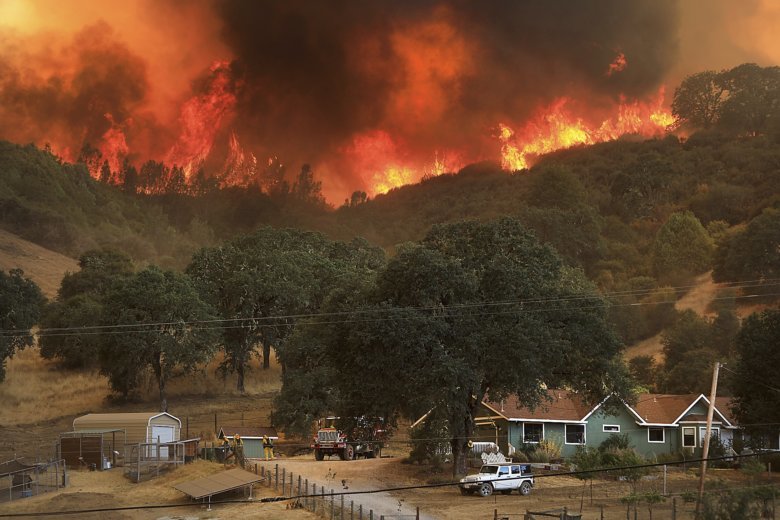


 brought on by human activities, many of our leaders have lost their way. Instead of working to mitigate the dangers of greenhouse gases, we are encouraging corporations to spew more noxious fumes in the air and make the world less safe for children as well as the rest of us. Instead of working with other countries to improve the world, our leaders want to tear up treaties in the hope of immediate profits for a few wealthy corporations. Instead of encouraging scientists to study our changing world, many leaders are cutting funding for education and restricting scientific research. What has happened?
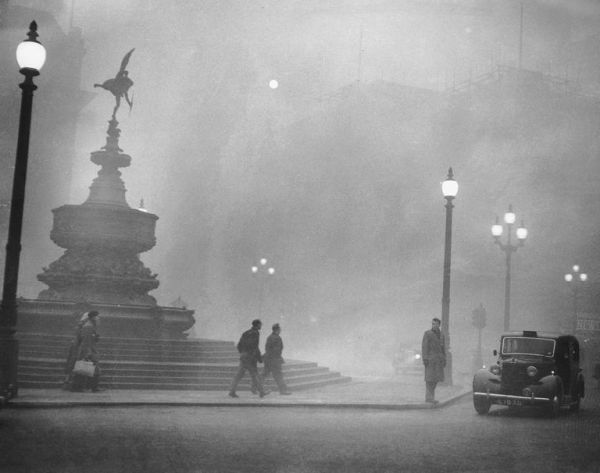
 some days the sky in the morning has an ominous yellowy-greenish hue. City dwellers are sometimes thought to be immune to changes in the natural world, but nature has intruded on us this year and we have become preoccupied by it.



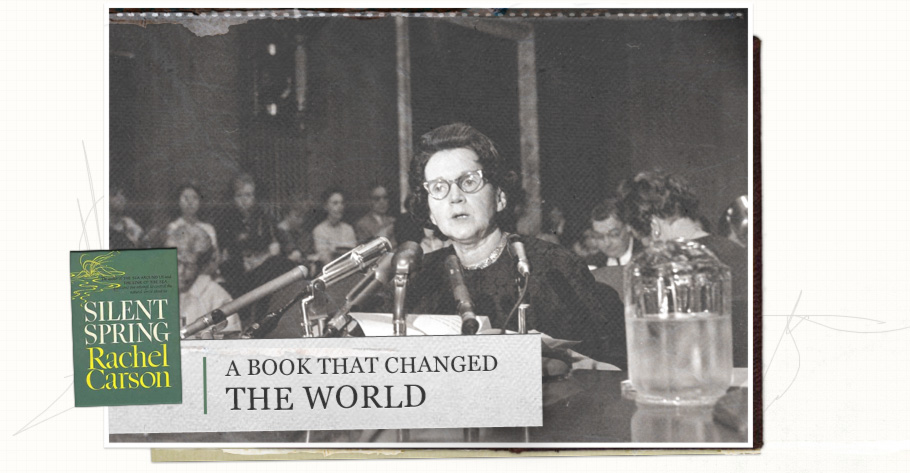 been hailed by many as the impetus that started America’s environmental movement. Carson’s book called attention to the impact of the insecticide DDT on the deaths of birds, fish, and other animals up the food chain. The book called for an end to the indiscriminate spraying of DDT on crops, in houses, and on children and other people who spent time outdoors.
 danger of pesticides and other technological advances in science. The use of DDT on crops was banned in the United States and in 1970 the Environmental Protection Agency was set up to monitor the effect of various scientific advances on the lives of Americans.
 address climate change. On January 24, 2017, according to the New York Times, “President Donald Trump’s administration has instructed the Environmental Protection Agency to remove the climate change page from its website, two agency employees told Reuters, the latest move by the newly minted leadership to erase ex-President Barack Obama’s climate change initiatives.”
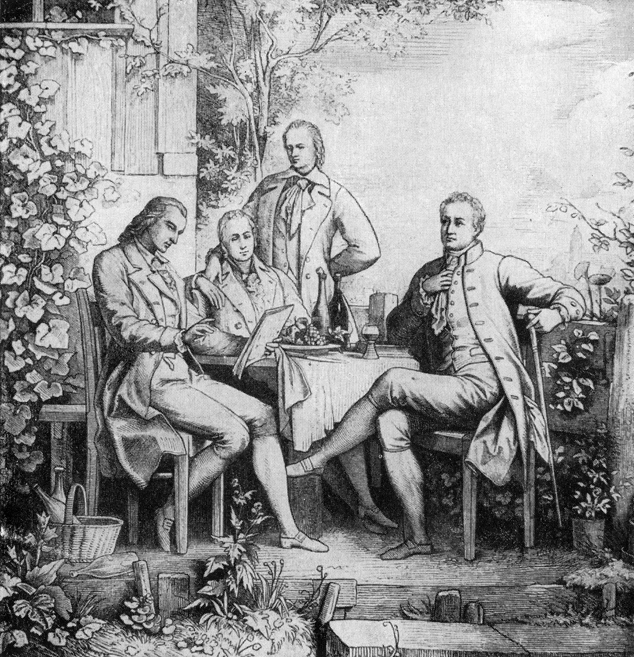
 ideas have been accepted by mainstream thinkers. Slavery has disappeared in much of the modern world. Let’s hope that more of the climate change deniers will continue to think about the questions and ideas that he raised.
 Teacups and Tyrants-Adele Fasick looks at people, books, and history