Sarah Belzoni; Another forgotten wife

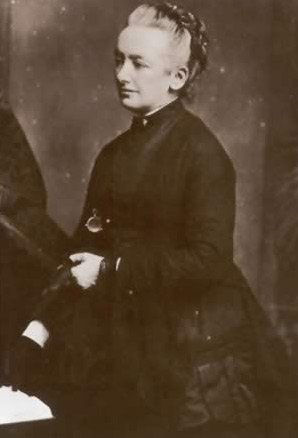
When I read biographies of men who have explored exotic countries or started revolutions I’m often more intrigued by the lives of the wives who stand behind them—or don’t stand—than I am of the men themselves. One of my favorites is Sarah Belzoni,  Portrait of Sarah Belzoniwho spent her life following the Italian strongman who became an explorer of Egypt.
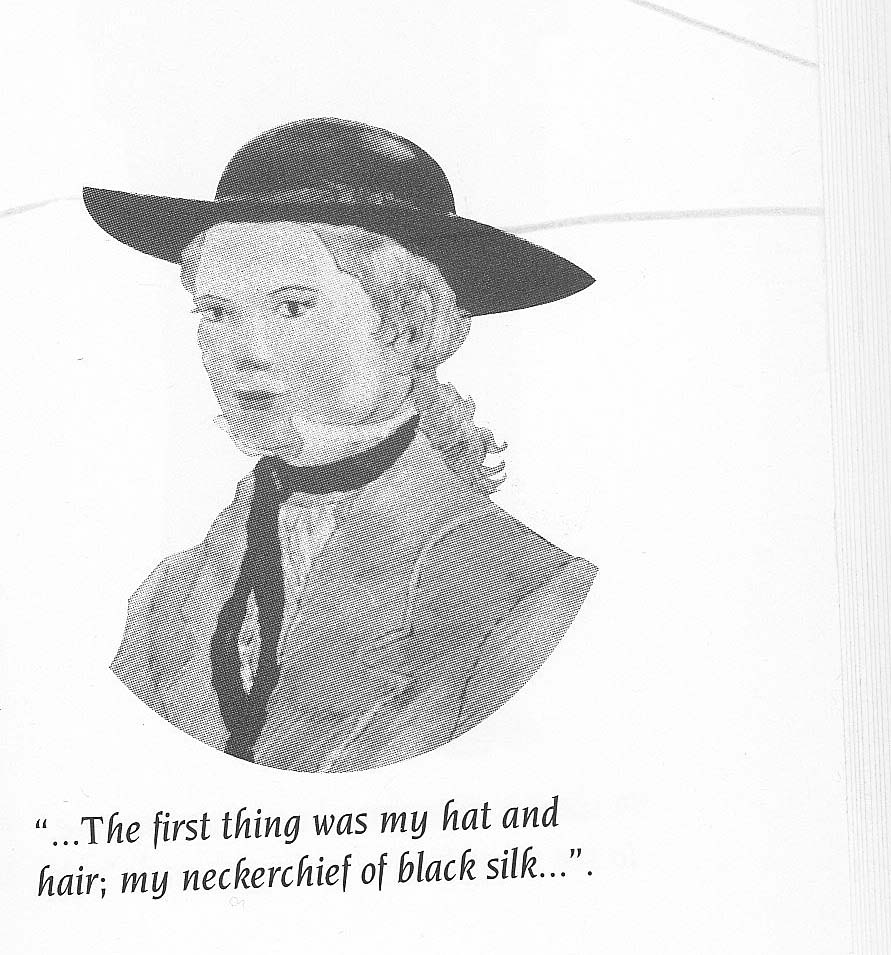
Giovanni Belzoni was a giant of a man. He was born in 1787, at a time when most European men were about five and a half feet tall, but he stood six feet seven inches. He was smart too. As a boy in Italy, he studied to be an engineer, but when he finished school, Napoleon’s troops were invading Italy, so he was forced to go to England to find work. It wasn’t easy to find work, but he did find a wife, Sarah, who may have been Irish, although no one knows for sure.

Instead of building bridges or roads, Belzoni had to take a job as a strong man in a circus to make money. Audiences gasped when he performed his closing act. He put on a harness fitted with a series of planks on either side of his shoulders. They formed a triangle of planks narrowing toward the top. One by one, other actors would climb up and sit on them. In the finale, Belzoni balanced ten or eleven men on his shoulders as he stood on stage.

Belzoni was ambitious and wanted to be an engineer, not a performer in a circus and Sarah agreed that he should give up the circus. Belzoni worked on his engineering ideas, but he had to keep performing in circuses and fairs to earn a living. He and Sarah traveled to Spain, Portugal and the island of Malta performing but looking for other jobs. In Malta, Belzoni met a man who worked for the Pasha of Alexandria. The Pasha had sent his assistant to Europe to find engineers and other workers who could build modern projects in Egypt. This was Belzoni’s opportunity. He had studied irrigation and had invented a water wheel that would raise water from wells more efficiently than a worker could. He was invited to Egypt to demonstrate his invention.

Giovanni and Sarah Belzoni traveled to 1814 taking with them a young Irishman named James Curtin to help with the work. Day after day Belzoni and Curtin worked building his machine. Some of the Pasha’s workmen worried that the new machine would be so efficient they would no longer have jobs. After four months, Belzoni was finally able to give his demonstration. His wheel pumped more water than the ones being used and it worked faster. It would make sense for the Pasha to install Belzoni’s wheel. Unfortunately, several workmen, who were afraid of losing their jobs, arranged an “accident” that caused James Curtin to get caught in the wheel and break his thigh. After that the Pasha gave up any idea of buying Belzoni’s wheel. Belzoni, Sarah, and James Curtin were stranded in Egypt.

As usual, Belzoni thought of a new scheme. He had heard of a gigantic head lying in the sand near Thebes, a city 700 km south of Cairo. Several European explorers had seen the head and knew how much money it would be worth in Europe, but no one could figure out how to move it. There were no roads in the desert. After the head was dug out of the sand, it would have to be dragged to the river. Then a boat could take it down the Nile River to Cairo and load it onto a ship to England. Belzoni decided he was just the man to do it, but he had to find someone to pay for equipment and workers.

Luckily for Belzoni, Britain had just sent a new representative to Egypt, Henry Salt. Part of his job was to find Egyptian objects for the new British Museum in London. When Salt met Belzoni, he realized had found a strong, adventurous man who could help him. Belzoni told him about his plans for the giant head. Salt provided money and wrote to the Egyptian leaders asking them to help Belzoni move the head.

Belzoni wasn’t sure what kind of equipment he would need for the work. He gathered planks of wood and logs to use as rollers for a cart and found a cheap boat to hire for the trip. On June 30, he set off with Sarah and James Curtin on the long trip up the Nile River to Thebes. By mid-July the group had reached the ruins at Thebes and for the first time they saw the massive head. The stone head had fallen off a statue of the pharaoh Ramses II and was half-buried in the sand. Because no one remembered the name of the pharaoh, the Europeans called the statue Memnon after a Greek hero. Historians believe the statue was toppled during an earthquake in 27 B.C.E. No one at that time knew how large the head was, but scientists later figured out that it weighs seven and a half tons and is 2.67 meters high. 
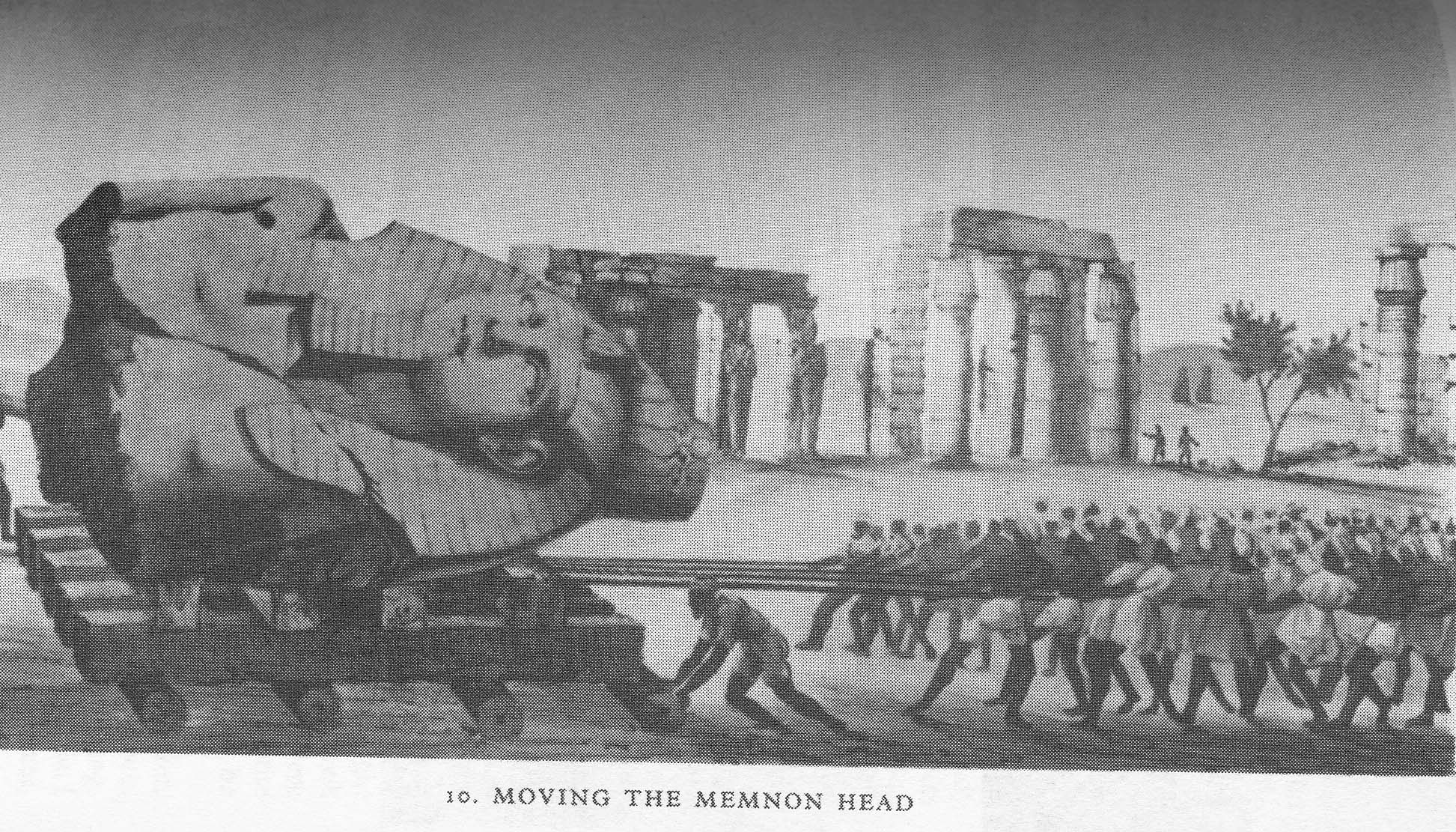
Belzoni needed to hire local men to work with him, but that was difficult. Many Egyptians could not understand why the head would be valuable unless it was filled with gold. Belzoni finally persuaded them he really was willing to pay for their help in digging out the head and moving it to the river. He worked with them to build a flat platform of planks. Then he used other planks as levers to lift the front of the head far enough to get it on the platform. Gradually, using levers and ropes made of palm fiber, they got the head on the platform. Slowly lifting the front of the platform, they inserted one of the logs as a roller underneath and pulled the platform forward.

It took 80 men, working with ropes to insert four rollers under the platform and pull it forward. Each time it moved a few feet ahead, the men would pull out the roller at the back and move it to the front. Slowly, slowly, the head moved forward over the sand and rocks toward the river. Without knowing it, Belzoni had hit upon the same method the ancient Egyptians probably used to move the statue to where it stood. Finally, after twelve days of hard work, but statue was at the edge of the river and ready to begin its journey down to Cairo.

Many women would have rebelled at the idea of living in the blazing desert heat for weeks while their husband struggled with an impossible project, but Sarah didn’t complain. She was very interested in the Arab women of Egypt and spent her time getting to know them. When Giovanni finally succeeded in getting the massive head to Cairo and onto the ship to England, she celebrated with him.

For the next several years Belzoni worked with Henry Salt to collect antiquities, but the number of Europeans traveling to Egypt searching for Egyptian treasures was growing and the competition was keen. Belzoni traveled around the country trying to find objects the British Museum would be willing to buy. When he traveled he often left Sarah behind in whatever lodgings they had found in the city, but she was resourceful and had interests of her own. She took a trip to the Holy Land and she not only went to Jerusalem but traveled by mule to Jericho, Nazareth, and Bethlehem. Before leaving Jerusalem she disguised herself as an Arab merchant and visited the Mosque of Omar, which was prohibited for women and for non-Muslins.

Giovanni and Sarah finally returned to Europe in 1819. Giovanni had become famous, but they still were financially insecure. Giovanni wrote a book about his travels and mounted an exhibition of Egyptian artifacts, some genuine and some plaster copies of statues as well as sketches and pictures Belzoni had made. Sarah helped to organize and publicize the exhibit.

Sarah helped with Belzoni’s book too. She wrote a chapter, called modestly enough, a “Trifling Account of the Women of Egypt, Nubia, and Syria” in which she described the subservient position of women. She noted that Muslim and Christian women led similar lives that were far more restricted than the lives of European women. As the wife of an explorer, Arab men were willing to treat her almost as an equal, offering her coffee to drink and a pipe to smoke. But she was amused to note that they allowed their wives nothing but water to drink and locked the pipes away where women could not touch them. We can only wish that she had written more about her travels and the insights she gained.

Giovanni Belzoni worked hard all of his life, but he died young in 1823 while trying to reach Timbuktu. Sarah lived until 1860 trying to keep Belzoni’s legacy alive, but without much success. The British government finally granted her a pension that kept her from extreme poverty in her old age, but her contributions to her husband’s work and her own personal knowledge of Egyptian life were never acknowledged. She is one of the large group of women who are the indispensible but forgotten wives of famous men.
Misunderstood Women as Leaders

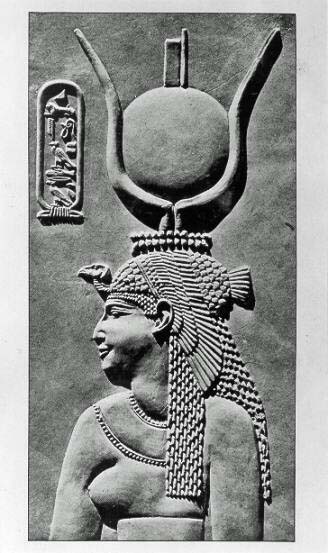
Two of the best-known women in history are the Egyptian Cleopatra and Catherine the Great of Russia. Both have been portrayed frequently in popular culture and are known to many non-historians as well as scholars although both lived centuries ago. And even though both of them spent most of their time and efforts on ruling large and tumultuous countries, they are both remembered primarily for the men they had sex with. Their two recent biographers have had to point out that neither of them was as promiscuous as the male rulers of their times and later.
Cleopatra is one of the few rulers of ancient Egypt whose name is still widely known. She has been celebrated in stories and art for century, yet she is almost always remembered as part of a couple. Shakespeare’s “Antony and Cleopatra” gave way to George Bernard Shaw’s “Caesar and Cleopatra” and a series of other efforts. Even the movie “Cleopatra” starring Elizabeth Taylor and Richard Burton, which finally let her dominate the title, treated the monarch as a lovestruck woman. Furthermore, that movie had a lasting impact on American culture by making the glamorous Taylor the permanent face of the less-beautiful but more powerful real Cleopatra.
Now Cleopatra has become for many people a glamorous figure suitable to be impersonated in Halloween costumes and dramatized in plays for children, but never really taken seriously. The transformation of this powerful ruler into just another femme fatale began soon after her death. As her biographer Stacy Schiff writes: “It has always been preferable to attribute a woman’s success to her beauty rather than to her brains, to reduce her to the sum of her sex life.”
For anyone who would like to get a reasonable idea of what Cleopatra was like and the story behind her misrepresented life, read Stacy Schiff’s great biography,  Cleopatra, available in every public library I’m sure, and also from most bookstores.
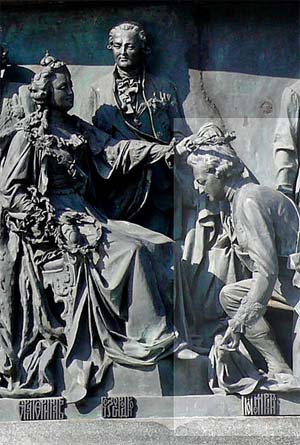
Another woman I’ve been reading about recently who suffers from the same problem is Catherine the Great of Russia. Although she was born a German girl named Sophia and became the wife of the heir to the Russian throne almost by accident, she dedicated her life to improving her adopted country. Starting with changing her name to Catherine and her religion to the Russian Orthodox Church, Catherine studied the Russian language and history. Although she was saddled with a mean-spirited and somewhat stupid husband, she seized control of her life and of the country she had adopted.
Her husband, Peter III, had none of her love of Russia and instead tried to follow the model of Prussian military rule. He enraged his own subjects so much that no one complained much when Catherine helped to overthrow him and take the throne for herself. It was a wise move. Catherine was an intellectual who read and corresponded with some of the leading thinkers of Europe. She introduced modern enlightenment into the rigid Russian society, although even she could not completely change the pattern of serfdom and the stubborn resistance of provincial landowners.
Catherine reigned for more than thirty years and changed the country dramatically. Besides introducing Western ideas and developing closer ties with other European countries, she also extended the country to the East. It was during her reign that Russia began to explore Alaska and to establish a presence there. Yet, what is she remembered for in popular culture? It’s mostly for her lovers who helped her politically and made her personal life endurable. They were certainly close colleague and some of them were important political allies, but Catherine’s achievements didn’t depend on them.


Male monarchs are seldom defined by their lovers, but female rulers are. Anyone who reads Robert Massie’s recent biography Catherine the Great: Portrait of a Woman will come to understand how much more there is to know about her.
Perhaps as we enter this Mother’s Day weekend we ought to think about not only loving the mothers in our lives but looking at them as the individuals they are. Partners and children are an important part of most women’s lives, but they are not the only thing. If we love and respect our mothers, our spouses, and our daughters, we should look at them as individuals and not define them only in their relationships with the men in their lives. Cleopatra and Catherine the Great are not typical women, but they are emblematic of the problem of viewing women solely through the lens of their emotions. We certainly owe all women more than that.

Amelia Edwards: Woman of the Week

I admire women who follow their own path and have some impact on the world—the ones who stick to their path and don’t get sidetracked when their efforts are thwarted. Amelia Edwards was one of those. How difficult it must have been for a woman growing up in the early Victorian period to live such an independent life. True, she was born into a well-educated middle class family and was given a good education by her mother, which made her life easier than it was for less fortunate women.

Amelia had a flair for writing and and began publishing short stories by the time she was twelve years old. Then she turned to novels, publishing her first one in 1855. She soon became one of the most popular writers in England especially after the appearance of her novel about bigamy, Barbara’s History in 1864. Her novels mirrored the concerns of many English women of the mid-nineteenth century—love, marriage and family—but her own life was more unusual. She seemed uninterested in marriage, and by the time her parents died when she was 30, she was set in her pattern of spinster life and determined to enjoy it.

Travel was what attracted her, so she set off with a friend to visit Europe. They enjoyed the new sights and Amelia, of course, wrote about their trip. The result was one of her long-lasting books Untrodden Peaks and Unfrequented Valleys which recounted their tour through the Dolomites, which at the time was seldom visited by tourists. Both the book and the tour were a success and Amelia turned her attention to travel writing and gave up novels.

Europe was not enough, however, for the travelers. During a sketching tour of France, she and her companion found nothing but wet weather and talked about moving further south to find sunshine. According to Amelia’s account, they decided to go to Cairo without much thought, “Never was distant expedition entered upon with less premeditation.” Without any special knowledge, skills or equipment, they arrived at Shepherd’s hotel in Cairo on November 29, 1873. It was an arrival that would change Amelia’s life.

Like most tourists, their first trip out of Cairo was to see the Pyramids, at that time an easy hour and a half’s drive from the hotel. At first sight, the Pyramids were not impressive but, “when at last the edge of the desert is reached and the long sand slope climbed…the Great Pyramid in all its unexpected bulk and majesty towers close above one’s head, the effect is as sudden as it is overwhelming.” Amelia was enchanted and determined at once to take the long trip up the Nile to see more of Egypt. She would spend the rest of her life traveling, researching, and writing about Egypt.
There is no question but that Amelia’s book A Thousand Miles up the Nile reached thousands of readers and made the subject of ancient Egypt an important part of the popular culture of England and America. From that time until this, pyramids, mummies, tombs and treasure have spawned books, movies, plays and paintings around the world.

Amelia Edwards popularized Egyptian culture, but she did not falsify it. She was interested in expanding scholarly studies of pharaohs and for this reason she started the Egyptological Society for which she became a tireless fundraiser. At that time Egyptology was not an established scholarly field, so the untrained amateur could meet experts and exchange ideas. Amelia became a friend and sponsor of the great Flinders Petrie, one of the founders of Egyptology. As the field developed, scholars became more rigid and as so often happens, they gradually pushed out the amateurs. University men were not hospitable to women who “invaded” their field even thought they might rely on them for funding.

Amelia Edwards was no doubt disappointed in being pushed out of the control of the Society she had founded, but in the end she got her own way. After the years she had spent writing and publicizing Egypt, she suffered a blow when her companion of thirty years died. Their relationship was never a public one, but it seems likely that they were lesbian lovers who had a successful and happy union. Amelia did not recover well from her loss. She died a few years later, but was able to leave enough money to secure the future of the Egyptological Society and the position of her friend Flinders Petrie as the first Professor of Egyptology at the University of London. Her spirit lingers on.

May Alcott: Woman of the Week

Reading about other people’s lives is one of my favorite activities. Who needs fictional accounts of fantastic worlds when the real world offers so many fascinating stories? Often it’s not the lives of people who had brilliant successes that affect me most; it’s the people who didn’t quite make it. May Alcott was one of these. She was the “sister of the more famous Louisa” as family historians might say.

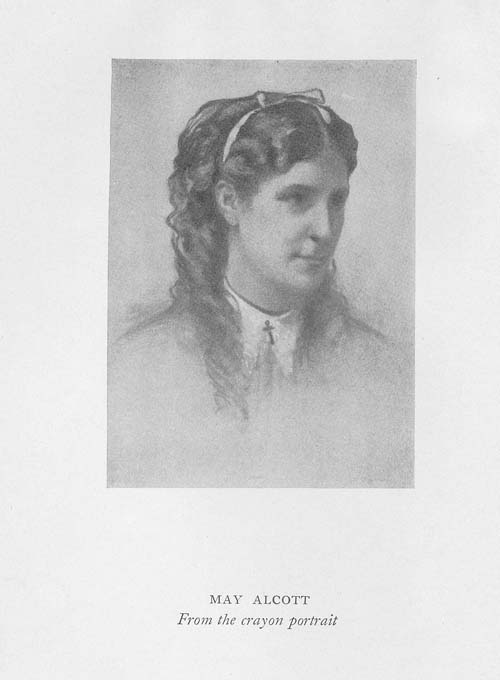
There were five Alcott daughters. Louisa grew up to be a famous author. Her book Little Women gives readers a glimpse of the lives of the Alcott sisters. In the book they are called the March sisters and the youngest, called Amy in the book, was modeled on May Alcott. Amy loved art, just as May did, but her life was more exciting than the one Louisa put into the book.

May Alcott was born in Concord, Massachusetts on July 26, 1840 to Bronson and Abigail Alcott. As a young child she lived in the community Fruitlands, which her father had started. The rules were strict—no animal food, not even milk for two-year-old May. When her mother tried to milk the cow, her father decreed, “We don’t allow milk on this farm. Pure water is the best drink for all God’s creatures.”

“Why can’t we live the way other people do?” his wife protested. That question was one young May Alcott would ask often as she grew older, and she never found an answer.

As May grew up she was independent and ambitious. Most of her friends thought only about getting married, but May had different ideas. She was determined to earn money herself and not depend on a husband’s support. It would not be easy to support herself as an artist. Many girls studied art but when they grew up, they were expected to get married and let their husbands earn money. Professional artists were almost always men. May studied art in Boston, and she gave art lessons, but made so little money that she had to turn to teaching.

May’s life was dramatically changed by the success of Louisa’s book, Little Women.  Now there was money for new clothes and books and even travel. For years May had longed to study art in Europe. The great museums and picturesque castles, churches, and cities of Italy and France were unlike anything in America. May had never seen famous paintings or statues. She had never even seen photographs of them. Instead, she had learned about European paintings by looking at copies made by Americans who traveled abroad. Some of the copies were good, but they were only small imitations of what the artist had created. Now at last she would be able to see the glowing colors of the originals. Louisa had been in Europe once before, when she had traveled as a paid companion to an ill elderly woman, but they had done little sightseeing. She wanted to return to Europe and spend leisurely time introducing May to the places she had seen briefly before.

Two years after the publication of Little Women, Louisa finished writing An Old Fashioned Girl. Now the two sisters had their chance to travel. On April 2, 1870, May and Louisa and their friend Alice Bartlett sailed to France. Everything was different from what they had been accustomed to in New England. Instead of fresh white clapboard houses, they saw homes, some of them centuries old, built of stone. Instead of simple wooden churches, they saw shadowy cathedrals with statues, candles, and stained glass windows. May carried her sketchbook everywhere, always ready to capture the changing sights that surprised her so much.

The study years in Europe were May’s happiest times, but she and Louisa could not remain there long. Their mother was growing old and ill; their sister Anna’s husband died. Louisa went home first to help out and then May followed. For the next several years family responsibilities tied May down. It wasn’t until 1876 that she had a chance to return to France.

This time, May went directly to Paris where she joined two friends from home, Kate and Rose Peckham. The three of them settled into comfortable lodgings and arranged for art lessons. Suitable art classes for women were not easy to find because art students learned to draw people by having live models in class. For many people the idea of women looking at people who were nude or lightly clothed was shocking. Even worse was the idea of having men and women in the same class looking at these models. Because of this, many of the famous art schools in Paris did not accept women. May was disappointed, but she made the best of her situation. She found a teacher, Monsieur Krug, who solved the problem by accepting only women in his classes.

Not only was May a successful student, but one of her paintings was chosen from among the thousands submitted for the Paris Salon exhibit of 1877. May was eager to share her triumph with her family. No longer would Louisa be the only successful Alcott. May wrote to her mother:

Who would have imagined such good fortune, and so strong a proof that Lu does not monopolize all the Alcott talent. Ha! Ha! Sister, this is the first feather plucked from your cap, and I shall endeavor to fill mine with so many waving in the breeze that you will be quite ready to lay down your pen and rest on your laurels already won.

When the first viewing day of the Salon arrived, May went very early to see how her picture was hung. She found it was dwarfed by the huge canvases around it, but thought it held its own because the hanging committee had placed it at eye level where everyone could easily see it. Many of the artists and visitors complimented her on her painting. She felt very festive in her fashionable black silk dress and was surprised at how easily she mingled with the smart, artistic crowd. At last her patience and persistence were being rewarded. After years of being a student, she was finally being recognized as a real artist. She moved to London to pursue her career.

Meanwhile in Concord, the Alcott family was struggling with May’s mother’s failing health. Louisa wrote to urge May to come home and spend some time with her mother. May was torn between wanting to return to Concord and longing to stay abroad. She knew her mother missed her, and she wanted to be with her family at this difficult time. One day she walked to the steamship office to buy a ticket to sail to America, but when she got to the office, she turned back. She was afraid leaving Europe would mean giving up all her artistic hopes. Her dream was to return home with a strong record of artistic achievement to make her mother proud.

In November, that dream ended when May received word that her mother had died. She was overwhelmed with grief and felt guilty about her decision to remain in Europe. Although American friends were kind and helpful, May spent most of her time alone. She avoided people who came to express their sympathy, because she found it difficult to talk about her mother without crying. Instead, she took long walks through the dark, rainy London streets and spent hours in Westminister Abbey listening to organ music. She wrote to Louisa, “I try to do as she would have me and perhaps shall work the better for the real suffering I never knew till now.”

One of her boarding house friends was a young Swiss businessman named Ernest Nieriker. During the darkest days of her grief, she could hear him playing the violin in his room across the hall from hers. He knew the music cheered her, so he would leave his door open as he played.  He also offered to read to her in the evenings when her eyes were tired, or to play chess with her. He and May soon became close friends and their friendship slowly turned into love. Although he earned his living in business, Ernest was deeply interested in both art and music. May found him very congenial, and he encouraged and appreciated her work.

By March, there was another artistic triumph to celebrate. May had two pictures accepted at the Ladies Exhibition in London. But soon she had an even greater event to write home about. Ernest asked her to marry him! He was several years younger than she was, but they shared a love of music and art. Best of all, Ernest encouraged May to continue her artistic career.

May’s father and sisters were astonished at this sudden engagement, but even more startling news was soon to come. Within a few days of their engagement, Ernest received unexpected news. He would have to leave London for at least a year to work for his business in either France or Russia. May and Ernest were unhappy at the thought of being separated for such a long time and Ernest made a bold suggestion:

Why should we not have this year together? Life seems too short to lose so much. If you will consent to forego a fine wedding and fine trousseau and begin with me now, we can enjoy so much together.   

And so May’s life took another turn for the better. The young couple was very happy and soon May was pregnant. She looked forward to having a child and to continuing her artistic career with Ernest’s help. Once again things went wrong. May did not survive the childbirth, although her daughter did. May’s life was cut short and she was never able to fully realize her talents and achieve her goals. To me she is still a heroine because she faithfully pursued her goals and tried to achieve success without sacrificing her family or the people she loved. That’s why she is my Woman of the Week.


Elizabeth Van Lew: Woman of the Week

We live in an age of dissidents. The well-earned triumph of Aung San Suu Kyi in Burma this week fills us with joy because she has worked so patiently for so long to persuade her countrymen to turn toward democracy. No doubt there are still years of struggle ahead, but something significant has changed in the country and much of it is due to the strength and courage of one woman.

Here in America we haven’t had a nation-changing heroine like Aung San Suu Kyi, but we have had several women who have showed courage in standing up for their beliefs despite the opposition of friends and neighbors. This week I want to honor one of them, who has nearly been forgotten over the years, a woman who fought against slavery even though she lived in Virginia during a time when most Virginians strongly supported the institution.

Slavery had been a problem since the beginning of the country. By 1850s, some Virginians and people in other Southern states were talking about breaking away from the United States over the slavery question. They worried that Northerners would put an end to slavery and this would cause hardship for the South. Eventually the quarreling became so bitter that theVirginialegislature voted to quit theUnited   States. They joined the Confederacy of Southern states to become a new country.

Still many Virginians did not want to leave the United States. Men who opposed joining the Confederacy could join the Union Army and fight to preserve the country. Women weren’t allowed to be soldiers, so they had to find different ways of supporting theUnited States. Elizabeth van Lew was one of these women. She believed that slavery was wrong. She lovedVirginia, but she loved her country more and believed secession was a tragedy.

After fighting broke out close to Richmond, Elizabeth and her mother got permission to nurse wounded Union soldiers.Elizabethhelped the soldiers write letters to their families. She also found another way to help—she became a spy.

A network of people helped get soldiers’ letters to the Northern states. They were taken on boats flying a “flag of truce,” which were allowed to sail between Virginia and the Northern States. General Benjamin Butler, a Union officer, heard aboutElizabeth’s work and asked whether she could send information about the movements of Southern troops. He did this by sending a letter addressed to “my dear aunt” and signed with a false name. The letter was carried toElizabethby a Northern agent who slipped through the Confederate lines. When the letter was treated with acid and heat, another letter written in invisible ink appeared. In this letterButlerasked her if she would “aid the Union cause by furnishing me with information”.

Soon Elizabeth was able to set up a system through which she could send secret messages to a false address in the North. They were then picked up and sent to General Butler.Elizabethcouldn’t travel around the city, because she was a well-known and wealthy woman and people noticed her. Usually she sent a servant, often a young boy, to carry the letters to the ship. People didn’t pay much attention to teenage boys walking around the streets near the port.

Elizabeth got her information just by watching what was going on in the city. She was also able to talk with Confederate army officers and officials. Most of them did not believe a woman could be collecting information for the North. They consideredElizabethjust another wealthy society woman.

Elizabeth not only sent information to the North. She also helped to hide Union prisoners when they escaped from the military prisons inRichmond. She and her mother nursed prisoners who were sick or injured and let them stay in the house until they were strong enough to travel.

When the war ended with the Union victory, Elizabeth was made postmaster of Richmond. This was a tribute to her services to the Union cause. Most of her neighbors, however, never forgave her for being loyal to her country instead of to the South. She lived a sad and lonely life, forgotten by the North and scorned by the Southerners who lived around her. It takes a lot of courage to fight and suffer for an unpopular cause.


Pearl Buck–Woman of the Week

News that China is launching an English-language television service in America started me thinking about how closely we Americans are now entwined with life in China. We hear news about China almost every day and see Chinese faces on TV news frequently. Most of this familiarity is linked to politics and world events, but don’t let’s forget the pioneers who first led Americans to think about Chinese life and to begin to understand Chinese people. One of the most important—a woman writer now almost forgotten—is Pearl Buck.

Pearl Buck grew up in a missionary family in China. From an early age she realized she was different from the children around her. Pearl could feel people staring at her. She remembers how she felt walking to the market one day when she was about six years old. As she passed two boys one of them made a face and yelled “foreign devil”. Pearl knew her blonde hair and blue eyes made her look strange and different to the Chinese children around her. Her family lived near other missionaries and had quite a comfortable life, but she had no friends her age and always felt isolated and alone. Her beloved nurse, Amah Wang, taught her to speak Chinese and told her many Chinese folktales. As she grew up, Pearl was able to read and write both English and Chinese and felt equally at home in both languages. She knew many Chinese folktales, but she also read and reread the complete works of Charles Dickens, one of her family’s prized possessions.

When Pearl went to the United States to attend college, she realized how little she knew of American life. She could tell her classmates stories about life in China—about how many Chinese people were so poor they sometimes let their girl babies die. Once when Pearl was picking flowers near her house, she found the bones of a baby girl who had been buried secretly. She could never forget the poverty and suffering Chinese people endured, but the American students she knew found her stories weird and horrible.

Pearl moved back to China and married a man who worked with the Chinese to develop modern agricultural methods. She and her husband lived in a small Chinese city and again were feeling isolated. In the turmoil of Chinese politics and anti-Western feelings, Pearl had a hard time feeling accepted by either Chinese friends or the missionary community she had grown up with. She turned to writing and produced one of the best-selling novels of the era in The Good Earth which tried to present an honest picture of the lives of average Chinese people. The book won the Pulitzer Prize in 1932 and was a Book-of-the-Month Club selection. The novel has been translated into many languages and remains in print to this day. In 1937, she won a Nobel Prize for Literature, the first American woman to do so. Still, critics complained about her literary qualities and politicians attacked her ideas.

Politically Pearl Buck was controversial. After she moved permanently to the United States in 1935, she became an advocate for civil rights and women’s rights. Horrified by the fate of mixed-race children, she started an adoption service for these children, many of them fathered by American soldiers in Asia during World War II. During the Cold War she was called a Communist in the United States and was refused permission to visit China with President Richard Nixon. The reputation of her books has fluctuated both in China and the U.S. over the years, but there is no denying that they strengthened ties between the two countries by introducing hundreds of thousands of Americans to the lives and struggles of Chinese people living half a world away. Now we can see the lives of these people played out on our TV screens every day, but we owe a lot to the pioneers who started introducing us to them.


Maria Edgeworth: Woman of the Week

Today is foggy and rainy in San Francisco, a perfect day for sitting inside with a cup of tea and thinking about all the women over the years who have done the same. Today I am going to start honoring some of those women by starting a series of “Woman of the Week” posts on this blog. And because this is St. Patrick’s Day weekend, I’ll start with a famous Irish woman you’ve probably never heard of –Maria Edgeworth. She may be forgotten now, but in the earth 19th century her books had made her so famous that once when an American reader wanted to reach her, she addressed her letter to “Maria, Ireland” and it was safely delivered.

One day in 1847, a procession of porters approached the estate in Longford where Maria Edgeworth lived. They brought a hundred and fifty barrels of flour and rice sent from Boston. They were from some of the children of Boston who had read Maria’s stories and wanted to help the famine stricken children of Ireland. The address on the barrels was “To Miss Edgeworth for her Poor”. Even the porters who hauled the barrels to the house would not accept payment for their efforts. In gratitude to these men Miss Edgeworth knitted a comforter for each of them.

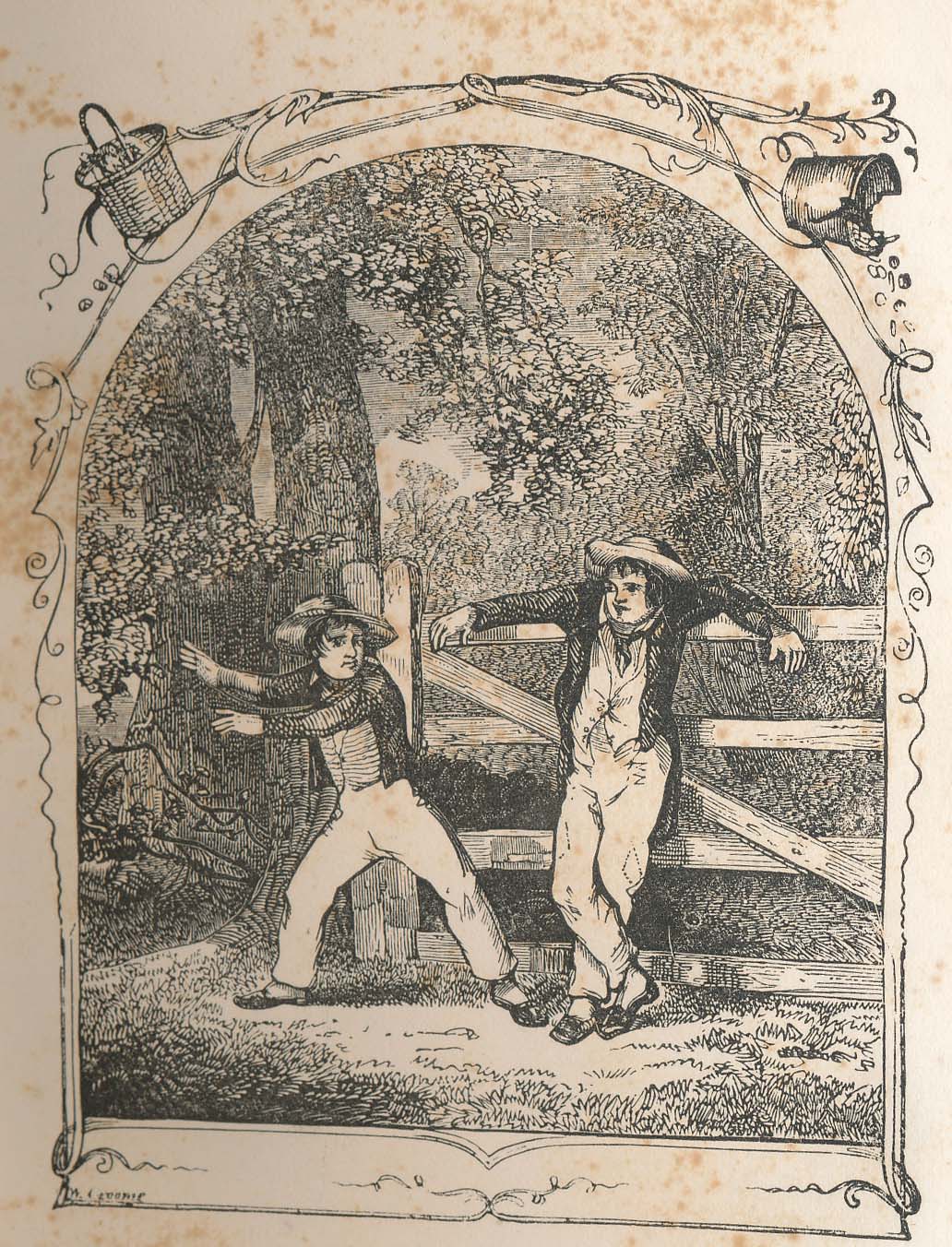
Maria’s stories were known all over the English-speaking world going through one edition after another. They remained in print until the end of the 19th century and generations of children grew up reading them. They introduced characters like Lazy Lawrence, who always tries to avoid doing any work while the hard-working widow’s son Jem takes over his tasks. In the end Jem achieves prosperity while Lawrence falls in with criminals and comes to a bad end. illus. from Lazy Lawrence  And who could forget Rosamond, the girl who begs her mother to buy her a beautiful purple jar that she sees in the chemist’s window instead of purchasing new shoes. Alas, the purple jar turns out to be plain glass when the purple liquid is poured out, and Rosamond’s shoes become so worn and uncomfortable that she can’t go on an outing with her father.

The Edgeworth family wasn’t “really” Irish. They were landlords who had come from England 200 years before Maria’s birth and lived in Longford in central Ireland.  Maria’s father, Richard Edgeworth had gone to England as a very young man and married his first wife there. Maria was the third child in this young family, but she soon became an elder sister as Richard Edgeworth married quickly after his first wife died, then again, and again. In the end he had survived four wives and had 22 children. Perhaps Maria had enough experience in childcare as she was growing up to cure her of the desire to have children of her own. At any rate, she never married but spent much of her life helping raise the children in her own far-flung family and writing stories to help other families raise theirs.

But despite her fame as a writer for children, Maria Edgeworth was much more than that. She was deeply concerned with social conditions and politics. She helped to run the large Edgeworth estate and deserves much of the credit for keeping the family out of debt despite the reckless spending of her brother Lovell, who inherited the estate after the death of their father. When the potato famine hit Ireland in the late 1840s, Maria tried to help their tenants by purchasing new seed for them and arranging emigration for some families. She supported Catholic emancipation, unlike many other landlords, and struggled to make Ireland a more just society where both Catholics and Protestants could live in peace. Let’s honor her today for all the good that she did, although we are still struggling to solve some of the social problems she worried about.

Listening to Women

Year after year history keeps repeating itself. I’ve been writing a biography of Margaret Fuller, the 19th century feminist, writer, and foreign correspondent. It’s fascinating to discover how the same patterns of reaction to women continue two hundred years after Margaret was born. Recently Bonnie Hurd Smith, a historian who often writes about the importance of history in everyday life, wrote an article about Why Women’s History Matters in which she points out that young women today are still struggling to take themselves seriously and find the courage to do determine their own goals in life. As she says “We women are still taught to put everyone else first, and then we beat ourselves up when things don’t go well for us.” Today women’s history is seldom taught in schools except for a few elite colleges and universities. Girls growing up do not have role models to show them that women have struggled through the centuries for the right to participate in society and use their talents fully. Margaret Fuller had to fight all her life for the right to be accepted as one of the leading American intellectuals of her time. In the years since her death, many biographies still treat her life as a search for finding romantic fulfillment. Her life story degenerates into gossip about her happy marriage late in life to a younger Italian man. Despite the range of her activities and the extent of her influence in her times and on generations that followed, many people still judge her life only on the basis of her marriage as though everything else she did was merely marking time waiting for “Mr. Right”. We owe it to the girls of today to let them know how many women in the past have built their own lives and struggled to reach the point where we are today. Only then will we be able to empower all women to make a life for themselves.

Footprints on the earth

Looking at the lists of bestsellers in the N.Y. Times and on Amazon.com recently I’ve been struck by how many of them tell the stories of men and women of the past. And when I look at the list of archived books on my Kindle that I’ve read over the past year or two I see the faces of the people I’ve learned to know. There’s Catherine the Great (Robert K. Massie) whose maneuvering to keep the Russian court in order seems just as modern as The Office on TV. And Stacy Schiff’s Cleopatra paints the portrait of a woman caught between two military powers struggling for supremacy, just as so many world leaders are now. It’s not just women’s stories of the past that resonate with our lives today. When I read about Sergei Diaghilev in Sjeng Scheijen’s biography, his long exile from Russia reminds me of so many people who have been forced to flee their countries and build new worlds in foreign lands. Not many of them have the genius of Diaghilev to produce ballets that thrilled the world, but in smaller ways they have expanded the culture of their birth into new countries and also like him have paid a price in loneliness and pain. Diaghilev was only a few years older than Hedy Lamarr, whose hidden life is recounted in Hedy’s Folly by Richard Rhodes. She fled from Europe to America, like so many others in the mid-twentieth century, and found a beloved home in the new world without losing her roots in the old.

Margaret Fuller, one of my favorite 19th century heroines, once wrote that she longed to leave “a footprint on the earth” through her reporting and writings.  That started me thinking about how many of us now discover people from the past who seem to speak to us about what the world is like. It echoes Emily Dickinson’s cry “This is my letter to the world, That never wrote to me” I’ve started this blog in the hope of having a place to share my ideas about the connections I have found with the men and women who went before us and shared their lives with us through books. I hope that you will share your thoughts on this site too.