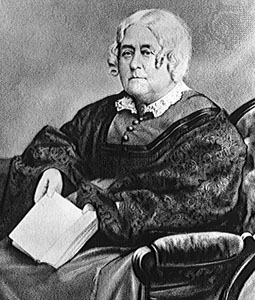
Reading about a 19th century woman forgotten by most history books may seem a long way from robots, but that was the path I followed this week. I  met Mary Treat in Barbara Kingsolver’s latest novel Unsheltered. If you have read reviews of Kingsolver’s book you probably know that Mary Treat was a well-known scientist who corresponded with Charles Darwin and with the Harvard botanist Asa Gray.
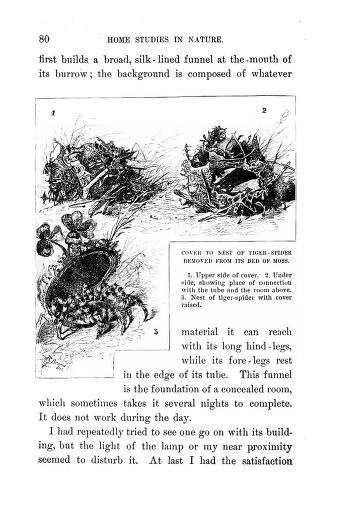
Born in 1830 in upstate New York, Mary Treat received only the standard female education of the time, which did not include science. Universities did not admit women as students, so where did Treat’s knowledge about biology and botany come from? It seems to have been driven mainly by the curiosity. That is what led her to want to know about the life of the world around her. During the 1870s, she and her husband moved to Vineland, New Jersey, which was one of several Utopian communities built during the 19ths century. Situated close to the Pine Barrens of southern New Jersey, it was full of plants and creatures that had seldom been studied by scientists. Mary’s husband didn’t care much about plants or insects, so he soon disappeared from her life.
In Kingsolver’s novel, we are first introduced to Treat, as she is sitting in her living room patiently holding one of her fingers in the grip of a carnivorous plant. What drove this woman to study plants and insects while other women were concentrating on dress patterns and cookery? It seems to have been mainly curiosity—the quality that sets many human beings apart from most other species as they look for answers to thousands of questions about the world they live in.
You can ask almost any teacher about how they recognize the children who will someday go on to make a mark on the world and time and time again you get the answer “curiosity”. Perhaps all children are born to ask questions, but many of them eventually give up the quest. Poverty and the stress of difficult family life and social conditions push some children into abandoning the gift of curiosity, but there are other reasons too.
For centuries men were considered to have a natural monopoly on education. They were the ones who went out into the world and searched for answers while the women stayed home. Women weren’t supposed to ask too many questions, but somehow despite this, some women, like Mary Treat, kept their curiosity alive. Treat made many contributions to biological sciences. Just think what she could have done if she had been accepted into Harvard and studied with Asa Gray instead of having to learn it all on her own?
One of the things that fascinates me about studying women’s history learning about how and why some women have overcome the obstacles in their path and kept their curiosity alive. If we could understand that, perhaps we could do a better job of encouraging both men and women, to use their curiosity to explore the world.
And what has this to do with robots? Well, one of the things about robots is that no matter how many questions they may learn to answer, or even to generate in a narrow task-focused area, they haven’t yet started to ask questions of their own. A workplace filled with robots that have been trained 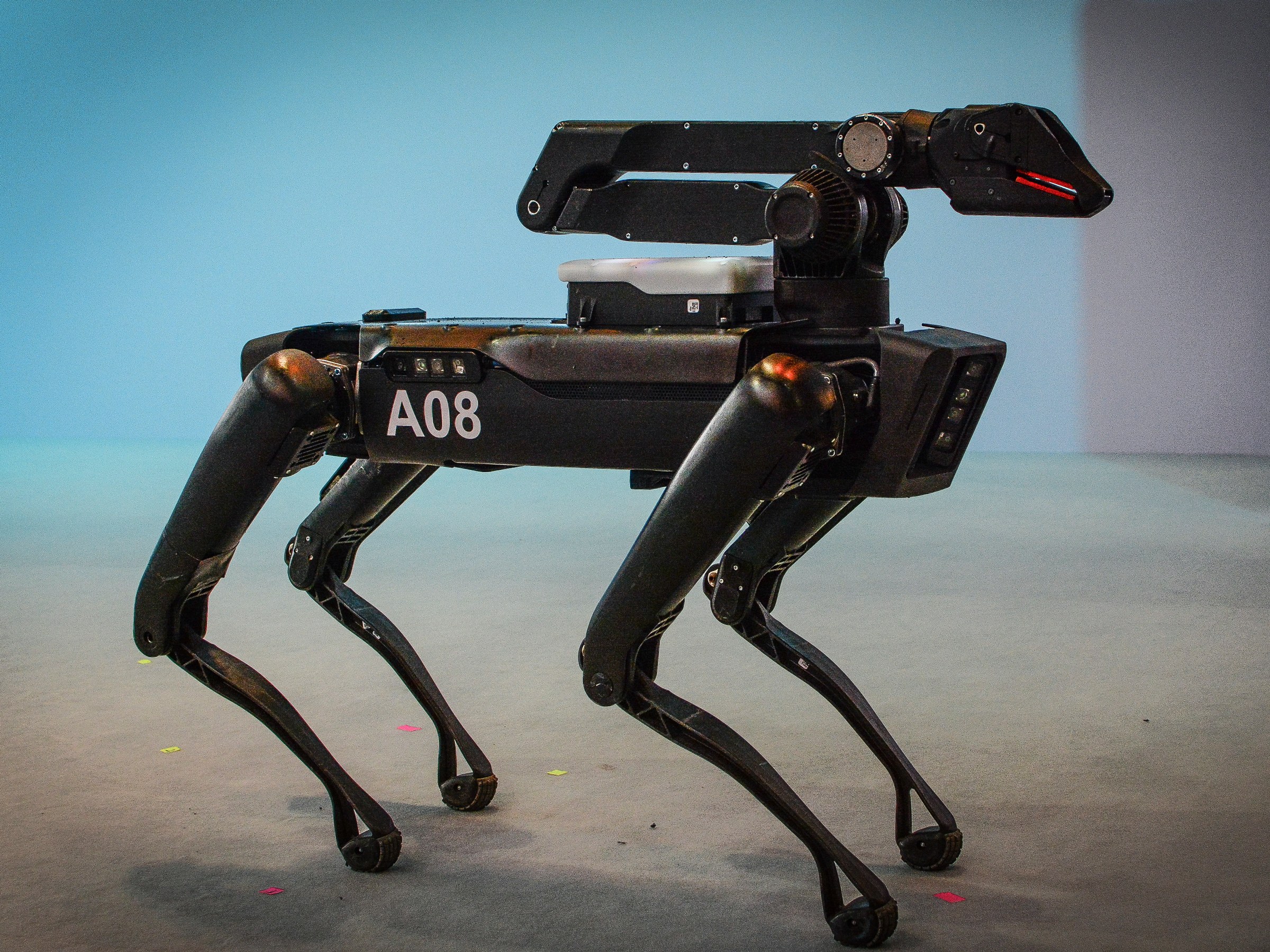 to do a task, will sit passively overnight or during a vacation shutdown. A workplace filled with human beings in a similar situation will come up with a dozen ways to escape their prison and move on to something more interesting. Until robots start asking questions, I don’t think we have to worry about them taking over the world.
Meanwhile we need to keep our children asking questions as they grow up and lead us into the future.
 a foreign country” as L.P. Hartley wrote, but few people take the time to understand how different it was. We assume that the people who lived years ago and wore funny clothes were in fact thinking and feeling just as we do. But when we read the books and letters they wrote, we are constantly being reminded that the past is far different from what we consider normal today. Even the small things like being able to contact friends and family at a moment’s notice is something that seems natural today. How did people get along without it?
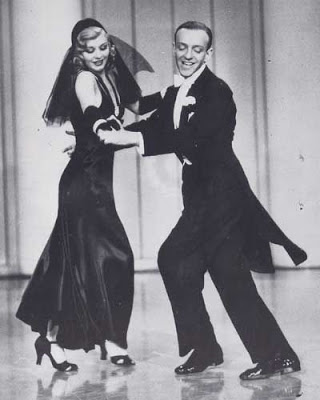 backwards and in high heels.” That about sums up the extra requirements put on women as they move ahead in a professional world dominated by men. Often this includes the expectation that women in any field will look like models and stay as fit as athletes whether this has anything to do with their work or not. Men are usually permitted to put on a little weight (as long as they wear a well-tailored jacket to disguise it) or to let their biceps sag a bit.



 though one square and find a dozen ideas for stories or photos or music—whatever form your creativity takes. But I wonder how many of the great ideas that are born in vibrant cities like London ever come to fruition.
 TV series they missed during the year. But television isn’t the only media that is ripe for binging. Binge reading is a perennial favorite especially during rainy summer weekends when the beach is sodden and hiking trails are muddy.
 another about Renaissance Italy. It was almost like having a vacation.



 Teacups and Tyrants-Adele Fasick looks at people, books, and history