Here in northern California we have been preoccupied by the wildfires that are threatening homes and property in many parts of the state. Even in San Francisco, which is miles away from the nearest fire, the vague smell of smoke hovers over us and on 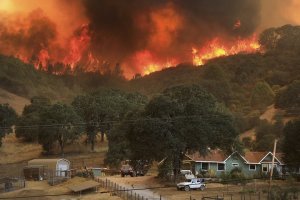 some days the sky in the morning has an ominous yellowy-greenish hue. City dwellers are sometimes thought to be immune to changes in the natural world, but nature has intruded on us this year and we have become preoccupied by it.
The wildfires in so many western states—made much worse by the hot, dry weather that has prevailed—are only one example of the way the natural world has been changing our view of the power of nature. The long, hot summer and the disastrous hurricanes have affected the lives of people throughout the country. And the hurricane season has only started. All the measures that we have taken to tailor weather to our preferences are failing us. We can’t spend all of our time hunkering down in our air-conditioned houses and cars. Nature is taking its revenge and forcing us to consider how we live and work.
Last year when I visited London, I bought a book called Weatherland: Writers and artists under English Skies. The author, Alexandra Harris, traces the history of the way writers and artists have been influenced by English weather over the centuries. The ever-changing British weather has encouraged a deep interested in tracking the vagaries of
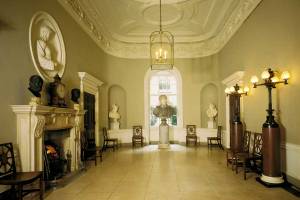
changes in the weather. Even architecture has been impacted. The warm summers of the 1720s and 1730s, as reported by Harris, have been suggested as an incentive to introduce the neoclassical style buildings in cities like Bath. Although as she explains the “high ceilings and open colonnades were considerably less appealing” when the average chilly English climate reappeared in later years.
The 19th century was one that brought dampness and rain to much of England. Byron wrote “Morn came and went and came, and brought no day,/And men forgot their passions in the dread…” As the century went on and cities grew in size and density, rain and fog became a part of the plot as in Charles Dickens’s Bleak House in which rain falls throughout the first twelve chapters and weather seems to become an integral character in the story.
It wasn’t until the 20th century that the influence of people on the weather was recognized as being as important as the influence of weather on people. The use of fossil fuels and the growth
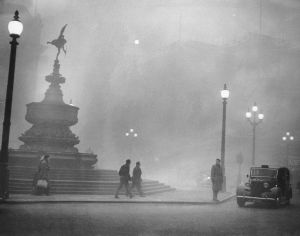
of manufacturing led to increasing episodes of smog both in England and America. The culmination, for London, was the great smog of December 1952 which killed several thousand people. At last the general public began to pay attention and the first Clean Air Act was passed in 1956.
Now we are again to be in an era when mankind is impacting weather so strongly that once again people throughout the world are in danger. Climate change is causing rising temperatures for oceans and land. Unprecedented storms are increasing in numbers and violence. Deserts are expanding in Africa and coastlines are receding as the oceans rise. Although our national government has become reluctant to act on the clear danger, if enough people push hard enough, we will be able to stop the reckless policies of our so-called leaders and insist on regulations to limit the worst effects of these changes.
Reading Wonderland won’t give you a background in climate science, but it is a great reminder of how important weather has always been in the life of human beings.
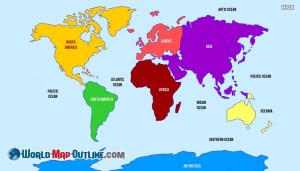 chose. One by one the viewers failed the test. A few identified Africa as a country, but couldn’t find any country on the continent. At last a boy, who looked as though he might have been in fifth or sixth grade, was asked and he swiftly identified the U.S., Mexico, and a string of countries in South America.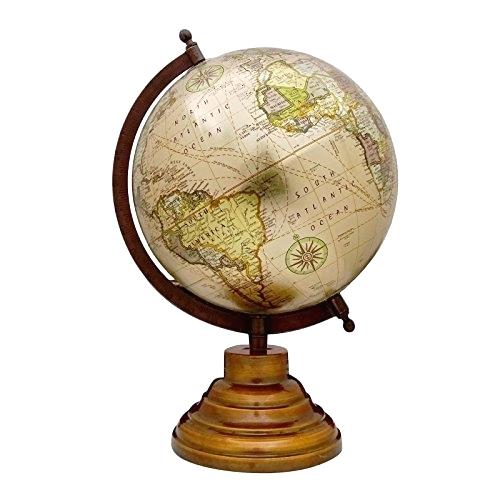

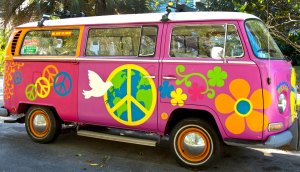 San Francisco from the 1960s until the 1990s. During that time the population of the city did not change much—hovering in the 700,000 range—but the people and the mood of the city altered sharply. New groups arrived in the city and many descendants of earlier residents drifted away.
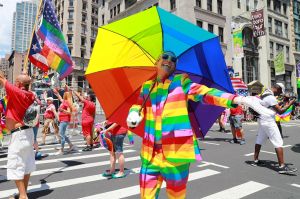 and resistance of many of the city’s more traditional residents. Today the city is a center of LGBTQ life. The Gay Pride parade became an emblem of the city and the movement it started spread across the country and around the world. The tragic crisis of the AIDS epidemic might have torn the city apart, but instead it seemed to bring the city together in working to heal the sick and find a cure.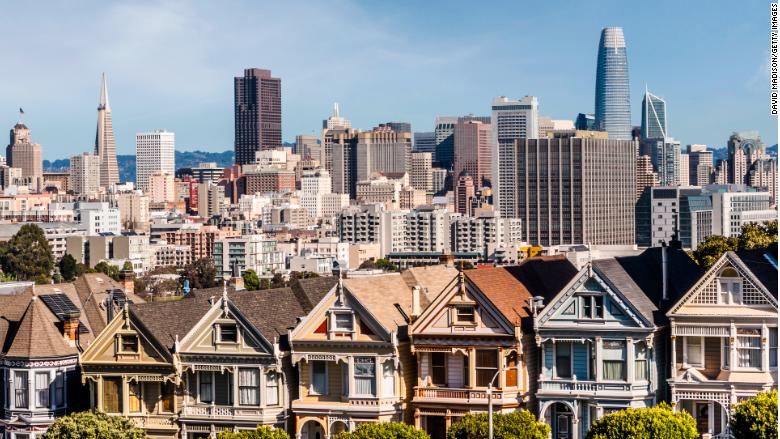
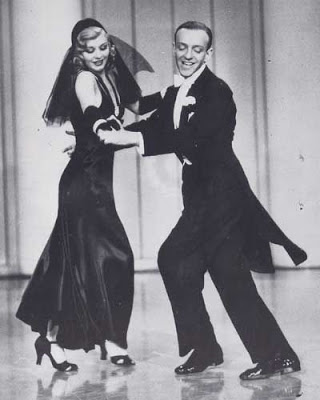 backwards and in high heels.” That about sums up the extra requirements put on women as they move ahead in a professional world dominated by men. Often this includes the expectation that women in any field will look like models and stay as fit as athletes whether this has anything to do with their work or not. Men are usually permitted to put on a little weight (as long as they wear a well-tailored jacket to disguise it) or to let their biceps sag a bit.
 considering a subject I wrote about the changing roles of first ladies back in 2016.
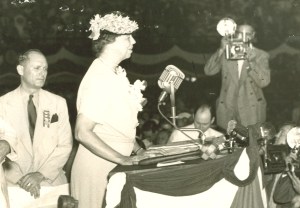 to run again, and Eleanor Roosevelt said she was not surprised at this because “I cannot imagine in the present state of the world, why anyone would want to carry such a burden…” Her reaction when told that her own name had been placed in nomination for the Vice Presidency was to laugh and say. “I could imagine nothing more foolish or less wanted.” Her speech, when it came, was forceful and the delegates went on to nominate Franklin Roosevelt by acclamation for an historic third term as President.
 their costumes. All of the women wore black dresses, some starkly black from top to bottom, others relieved by a touch of gold or color. But the overwhelming effect was of a crowd of beautiful women wearing the most dramatic color possible for women’s clothing—black.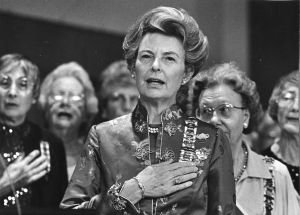
 fairness and respect. It will be a long struggle, but at least the women in black have made a start.
 started with a presidential inauguration that we dreaded and feared. As the weeks and months passed, the politics didn’t get any better. Much of public life was tinged with disappointment and a level of discussion more suitable for a TV reality show than for normal social communication.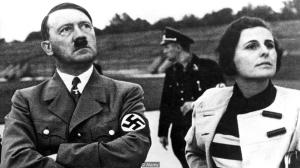
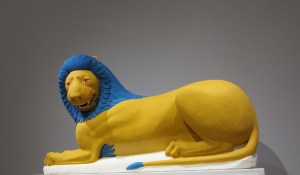 ago when I blogged about the exhibit, it may seem trivial to see marble statues presented in a new way, but it made my imagination stretch. It is easy to think about familiar objects as set permanently in time, but it’s good to have our memories shaken occasionally.
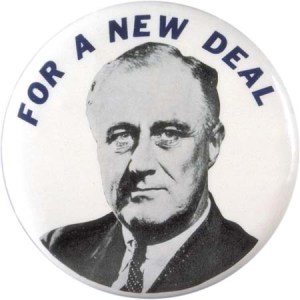 conservative politically. They were rabid opponents of Roosevelt and the New Deal. Looking back it is almost impossible to believe that innovations, such as Social Security, which have become an integral part of American life were so controversial. Prairie Fires opened my eyes to a new view of American history. I strongly recommend it.
 readers as well as many TV viewers choose to go back to earlier times. Somehow it seems as though life must have been simpler then, although the truth is that it wasn’t. Finding enough food for the family and keeping young babies alive was a lot harder than coping with an overcrowded bus on the daily commute.
 difficulty of judging guilt or innocence in a crime is a perennial problem. It will be interesting to see whether the TV version of Alias Grace treats the subject with as much depth as the book did.
 really want a glimpse of what it was like to be a servant in early 19th century England, you might want to read Jo Baker’s Longbourn, which gives a fascinating glimpse of the life of a servant in the service of Jane Austen’s fictional Bennet family from Pride and Prejudice. Admittedly Jane Austen wrote about an earlier historical period than Downton Abbey, but it is hard not to believe that Baker’s view of the world is far more realistic than the one offered by the familiar TV series.
 Teacups and Tyrants-Adele Fasick looks at people, books, and history